



In today’s fast-paced and often unpredictable world, building resilience is not just an asset; it’s a necessity. Resilience, the ability to bounce back from stress, adversity, failure, challenges, or even trauma, is not something children have or don’t have; it’s a skill that can be cultivated and nurtured.
As parents, educators, and caregivers, we play a pivotal role in fostering resilience in our children, equipping them with the mental fortitude to navigate life’s ups and downs.
In this comprehensive guide, we will explore practical strategies and tips to strengthen your child’s mental health and develop resilience.

Create a Safe and Nurturing Environment
Children thrive in environments where they feel safe, loved, and supported. Establishing a stable home environment and a trusting relationship is foundational to your child’s mental health.
- Tip: Regular family routines, warm relationships, and clear communication create a sense of security and predictability. Encourage open dialogue about feelings and experiences, and always listen attentively to your child’s concerns.

Model Resilient Behaviors
Children learn a lot by observing the adults in their lives. Demonstrating your own resilience in the face of challenges teaches your child how to handle stress and recover from setbacks.
- Tip: Share your problem-solving strategies, show how you manage stress healthily, and don’t shy away from expressing your emotions in a controlled manner.
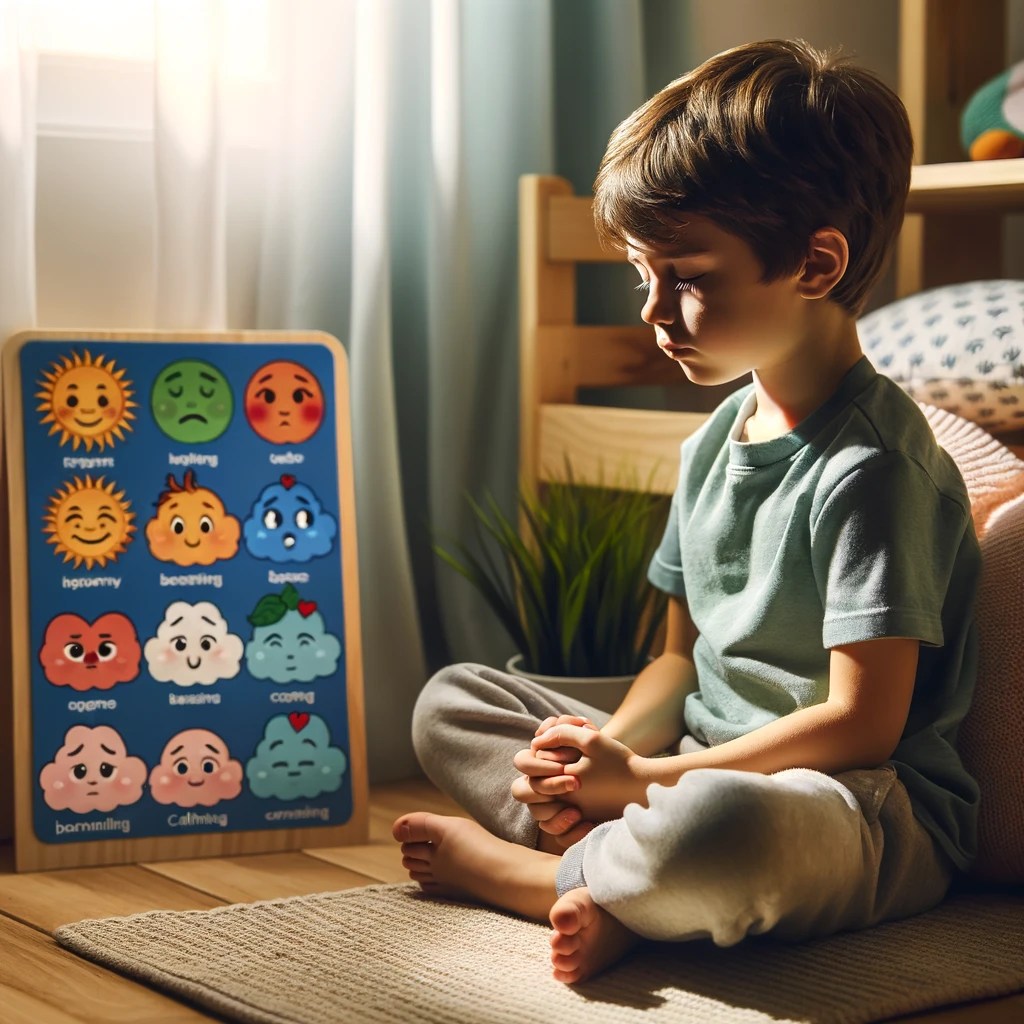
Teach Emotional Regulation Skills
The ability to manage and cope with emotions is a crucial part of resilience. Helping your child understand and express their emotions healthily can prevent feelings from becoming overwhelming.
- Tip: Teach your child to name their feelings and express them through words, art, or play. Practice deep breathing, counting, or other calming techniques to help manage emotional responses.

Promote Problem-Solving and Decision-Making Skills
Resilient individuals feel a sense of control over their destiny and are more likely to take positive actions to resolve their difficulties. Encouraging your child to make decisions and solve problems independently fosters this sense of control.
- Tip: Start with small, manageable problems and guide your child through the process of identifying the issue, brainstorming possible solutions, evaluating the options, and deciding on the best course of action.

Build a Strong Social Support Network
A robust support system of family, friends, teachers, and community members can provide children with a sense of belonging and security. Encourage your child to build and maintain positive relationships.
- Tip: Facilitate social opportunities, teach empathy and kindness, and model how to be a good friend. Encourage involvement in community groups or activities that interest your child.

Encourage Optimism and Positive Thinking
A hopeful outlook empowers children to expect that good things will happen in their lives. Teach your child to recognize and challenge negative thoughts and to focus on the positive aspects of situations.
- Tip: Practice gratitude by encouraging your child to think of things they are thankful for daily. Use positive affirmations and teach your child to visualize successful outcomes.

Foster Independence and Encourage Risk-Taking
While it’s natural to want to protect your child from harm, it’s equally important to let them take calculated risks. Making choices and taking risks develops confidence and resilience.
- Tip: Provide opportunities for your child to try new things, make their own choices, and learn from their mistakes. Support them but resist the urge to rescue them from every challenging situation.

Cultivate a Growth Mindset
Children with a growth mindset believe that abilities and intelligence can be developed through dedication and hard work. This belief creates a love for learning and resilience in the face of challenges.
- Tip: Praise the effort, not just the outcome. Emphasize that mistakes are a part of learning and encourage perseverance.

Encourage Physical Activity
Physical health is closely linked to mental health. Regular exercise, adequate sleep, and proper nutrition are essential for building resilience.
- Tip: Encourage regular physical activity, establish consistent sleep routines, and ensure a balanced diet.

Seek Professional Help When Needed
Sometimes, despite our best efforts, children may struggle with mental health issues that require professional intervention. Recognizing when your child needs extra support is crucial.
- Tip: Stay vigilant for signs of distress beyond typical growing pains, and don’t hesitate to seek help from school counselors, psychologists, or mental health professionals.
Navigating the Reality of Parenting: Embracing Imperfection and Resilience
In the journey of parenting, amidst our daily responsibilities and the relentless pace of life, it’s easy to feel overwhelmed. We often set high standards for ourselves, aiming to consistently embody the principles of resilience and patience. However, the reality is that we are human—prone to moments of stress, fatigue, and emotional overflow. It’s crucial to recognize that, while the tips and strategies for building resilience in our children are invaluable, they are not mandates for perfection.
As parents, we might not always have the bandwidth to model ideal behaviors or apply every technique we know to nurture our child’s mental health. There are days when the pressures of life make it challenging to maintain the calm, composed demeanor we strive for. It’s in these moments of vulnerability that a powerful, often overlooked aspect of resilience-building comes into play—acknowledgment and acceptance.
Taking a moment to pause, breathe, and openly acknowledge with our children that life is a tapestry of highs and lows can be profoundly impactful. It humanizes the parenting experience and teaches our children an essential life lesson: that striving for our best does not equate to being flawless. It means embracing our imperfections, learning from our missteps, and understanding that resilience is as much about navigating our vulnerabilities as it is about celebrating our strengths.
By occasionally sharing our struggles and the efforts we make to overcome them, we not only foster a deeper connection with our children but also offer them a realistic, relatable roadmap of resilience. This open dialogue creates a space where emotions are validated, efforts are recognized, and the notion that ‘we are all doing our best’ becomes a shared, comforting mantra. It underscores the fact that resilience is not just about withstanding the storm but also about dancing in the rain, together, as a family.
In this shared journey, every now and then, it’s essential to remind ourselves and our children that it’s okay to not have all the answers or to feel unsure. What matters most is the willingness to face each day with courage, to support each other through life’s undulating rhythms, and to remember that in the tapestry of life, every thread, no matter how frayed, contributes to the strength and beauty of the whole. As we navigate the intricate dance of parenting, let us cherish these moments of connection and learning, for they are the very essence of building resilience and fostering enduring bonds.
In conclusion, building resilience in children is a multifaceted endeavor that requires patience, understanding, and persistence. By providing a supportive environment, teaching critical life skills, and modeling resilient behaviors, we can empower our children to navigate life’s challenges with strength and confidence. Remember, resilience is not about avoiding adversity but learning to thrive within it.



 Sonia M. Rompoti, MSc, Bsc
Leave a comment