


Introduction to Art Therapy: A Colorful Path to Healing and Growth
In the vibrant mosaic of therapeutic approaches, art therapy emerges as a uniquely expressive and accessible medium, offering a spectrum of benefits that extend well beyond the canvas. This form of therapy, which integrates psychotherapeutic techniques with the creative process of art-making, is not just about creating art; it’s about using that creative process as a gateway to inner healing, self-discovery, and personal development.
Art therapy is practiced by professionals known as art therapists, who are not only trained in art but also therapy. These specialists are skilled in deciphering the nonverbal symbols and metaphors often found in the art created by their clients, bridging the gap between art and psychological insight. This form of therapy is versatile, catering to individuals of all ages, yet it holds a special significance for children, for whom verbal communication can often be a challenge.
The core of art therapy lies in its ability to create a safe and nurturing environment where emotions can be expressed through colors, shapes, and textures. This therapeutic journey is not confined to any single demographic; it’s a universal medium, transcending language and often, disability. From children facing emotional and behavioral challenges to those navigating the complexities of mental health issues or traumatic experiences, art therapy offers a non-judgmental and empowering avenue for expression and healing.
In the following sections, we delve into the multifaceted benefits of art therapy for children, exploring how this creative form of therapy is not just about molding clay or painting pictures, but about molding young minds and painting a future full of potential, understanding, and emotional well-being.
Fosters Creativity and Self-Expression
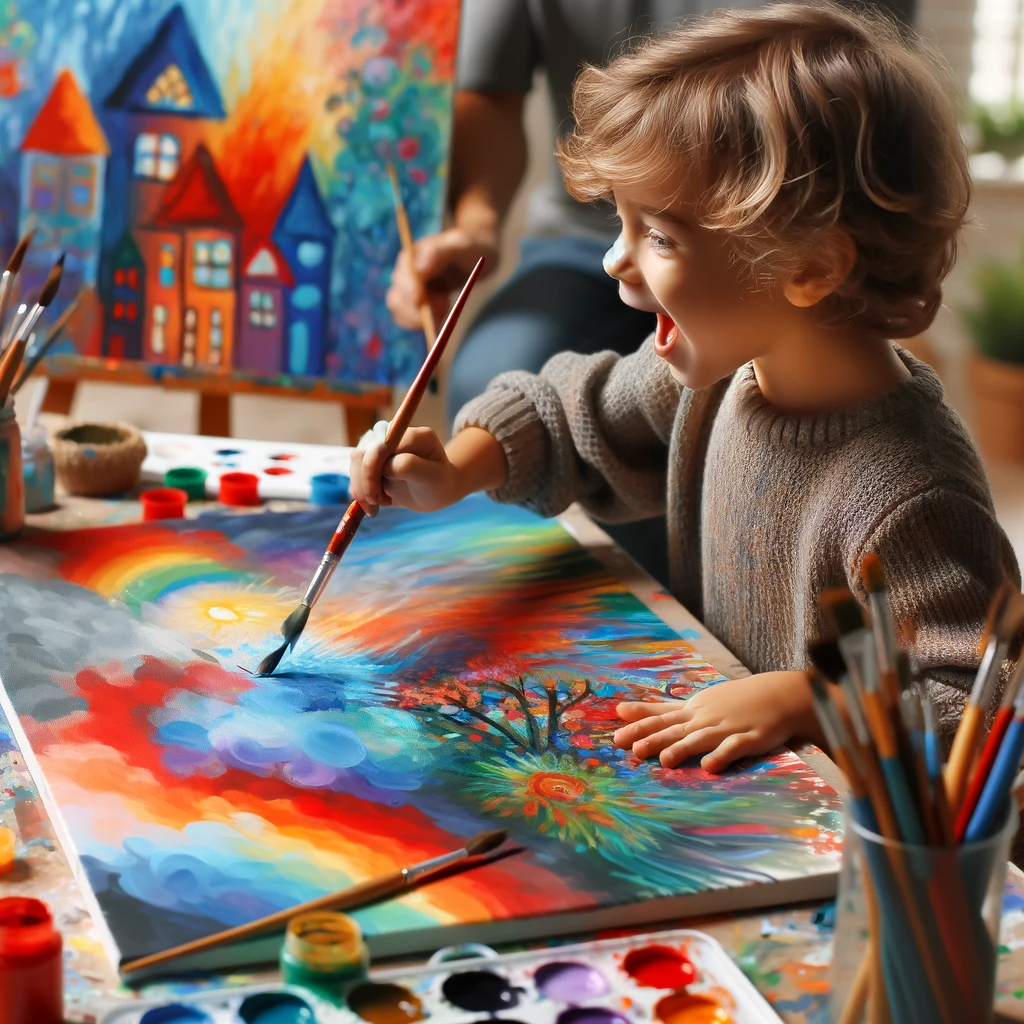
Art therapy encourages children to express their thoughts and feelings in a creative, non-verbal way. This is particularly beneficial for children who may not have the vocabulary to articulate their emotions. Through drawing, painting, or sculpting, children can communicate complex feelings and ideas, fostering a sense of creativity and personal expression.

Enhances Communication Skills
While art itself is a non-verbal form of communication, the process of creating and discussing art can enhance verbal communication skills. Children learn to discuss their artwork, describe their creative process, and articulate the thoughts and feelings that their art represents. This practice not only improves their language skills but also enhances their ability to convey and understand complex emotions.
Promotes Problem-Solving Abilities
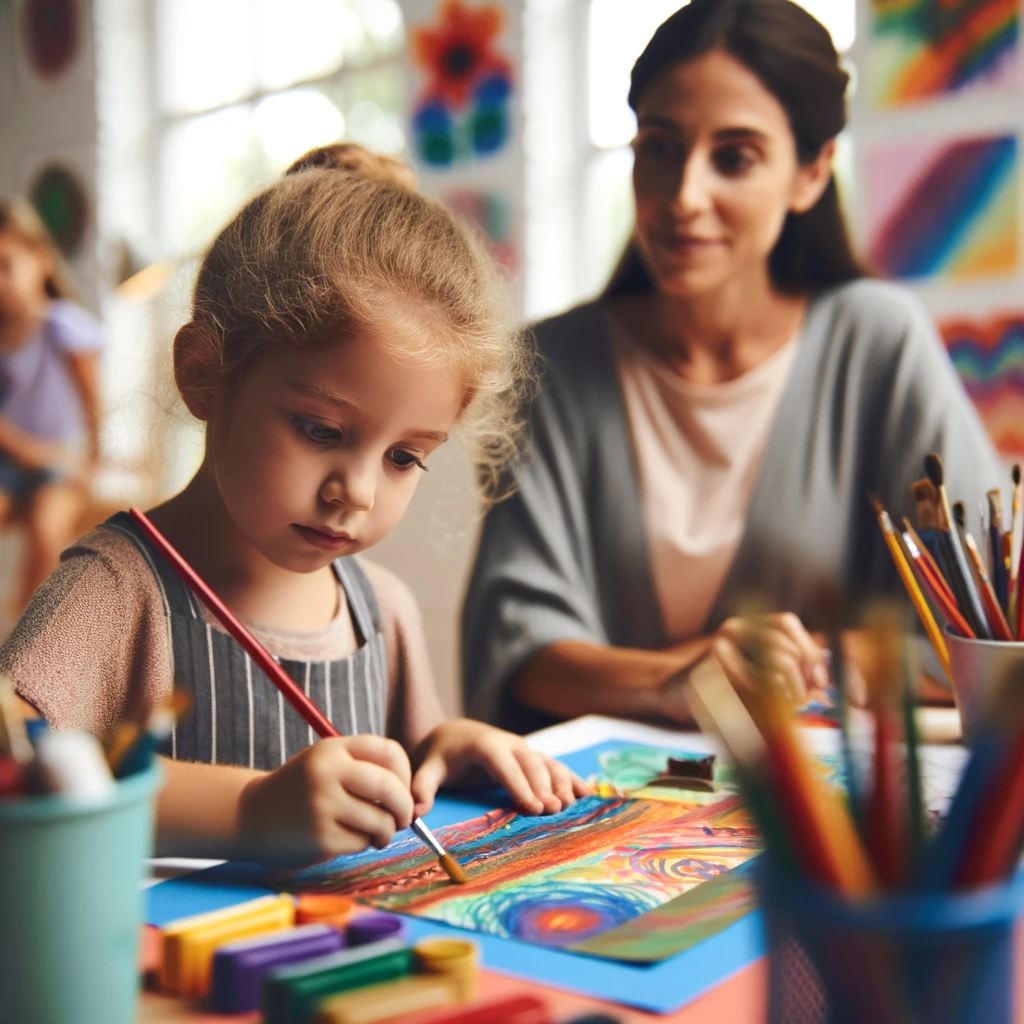
Art therapy challenges children to think critically and make decisions, from choosing their materials and tools to deciding on the subject of their art. This process enhances their problem-solving and decision-making skills, which are crucial for academic success and overall life challenges.
Encourages Emotional Release
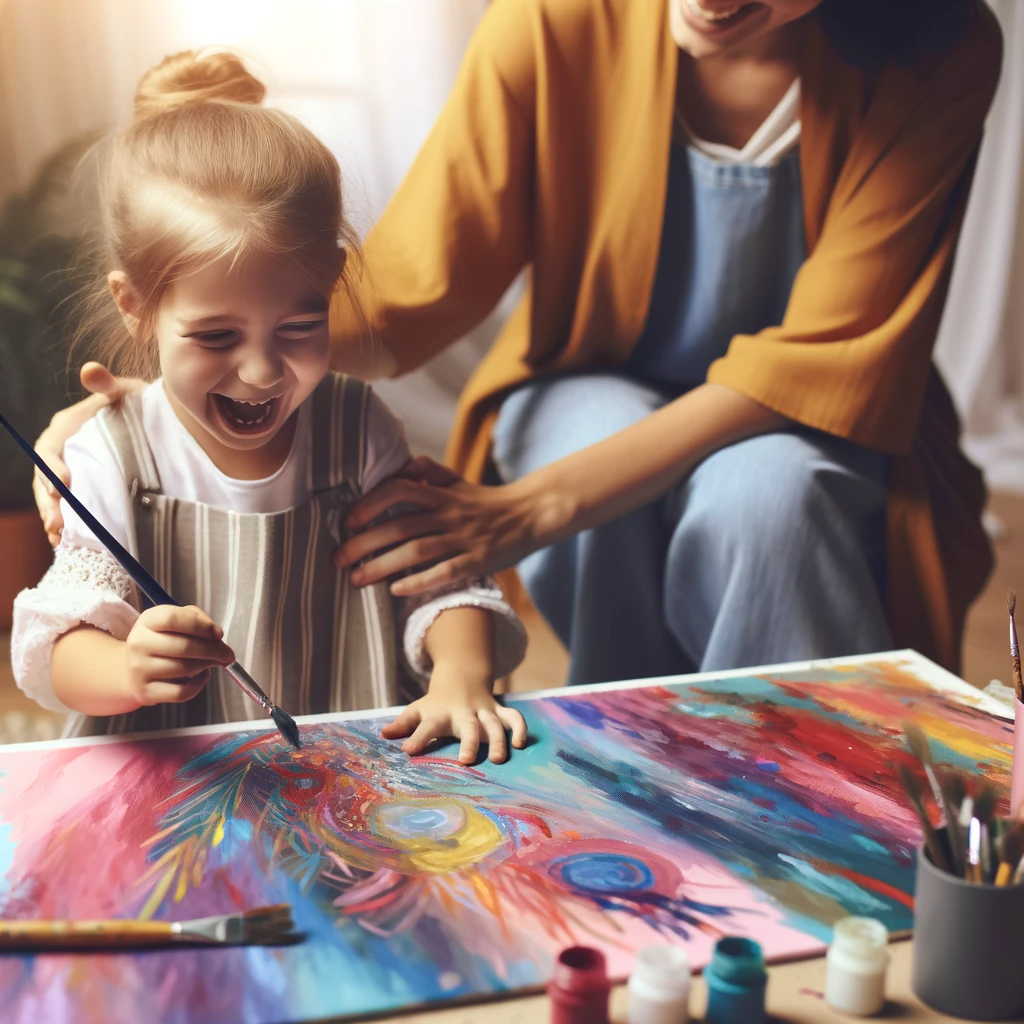
For many children, expressing emotions is a challenge, and pent-up feelings can lead to stress, anxiety, and behavioral issues. Art therapy provides a safe outlet for expressing these emotions. The act of creating art can be a cathartic experience, helping children release emotions in a controlled and therapeutic environment.
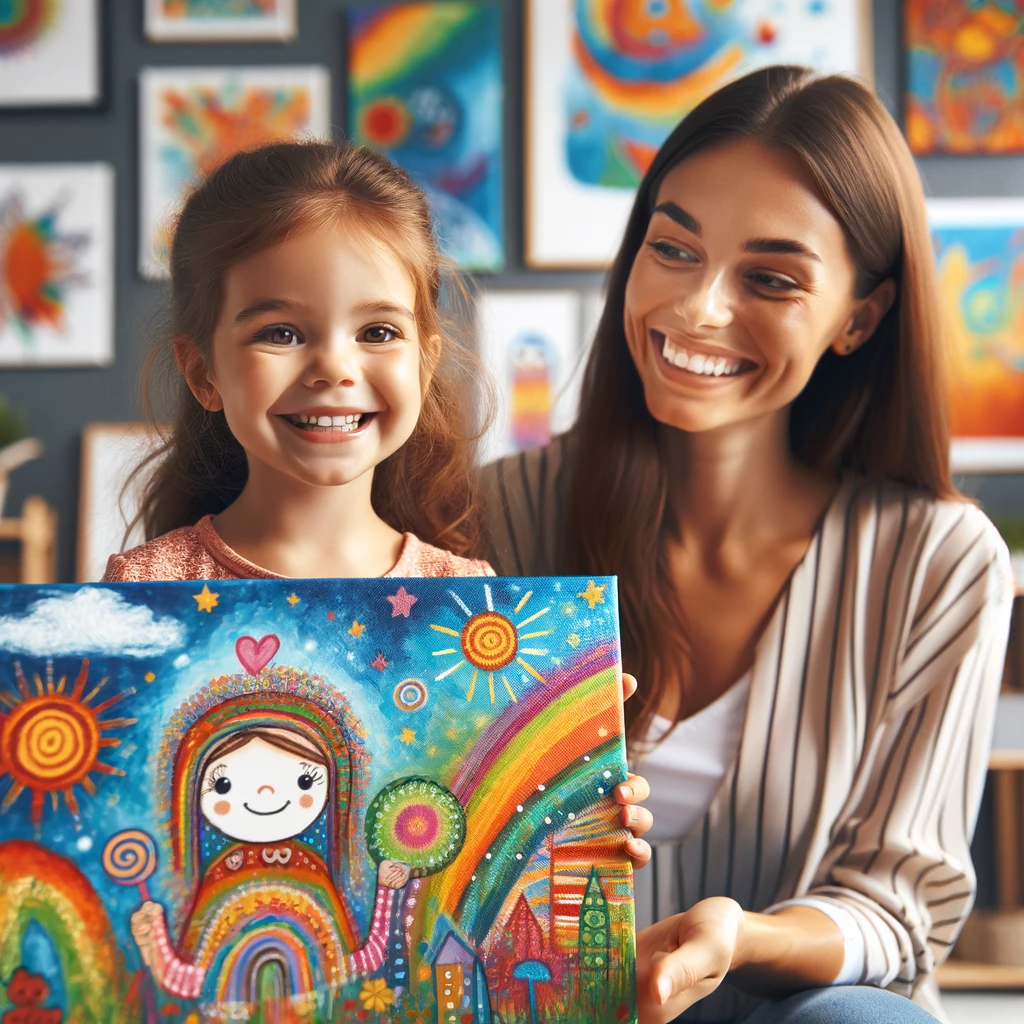
Builds Self-Esteem and Confidence
Completing a piece of art provides a sense of accomplishment and boosts self-esteem. Children feel proud of their creation, which encourages a positive self-image and confidence in their abilities. This self-assurance can translate to other areas of their lives, promoting a healthy and positive mindset.
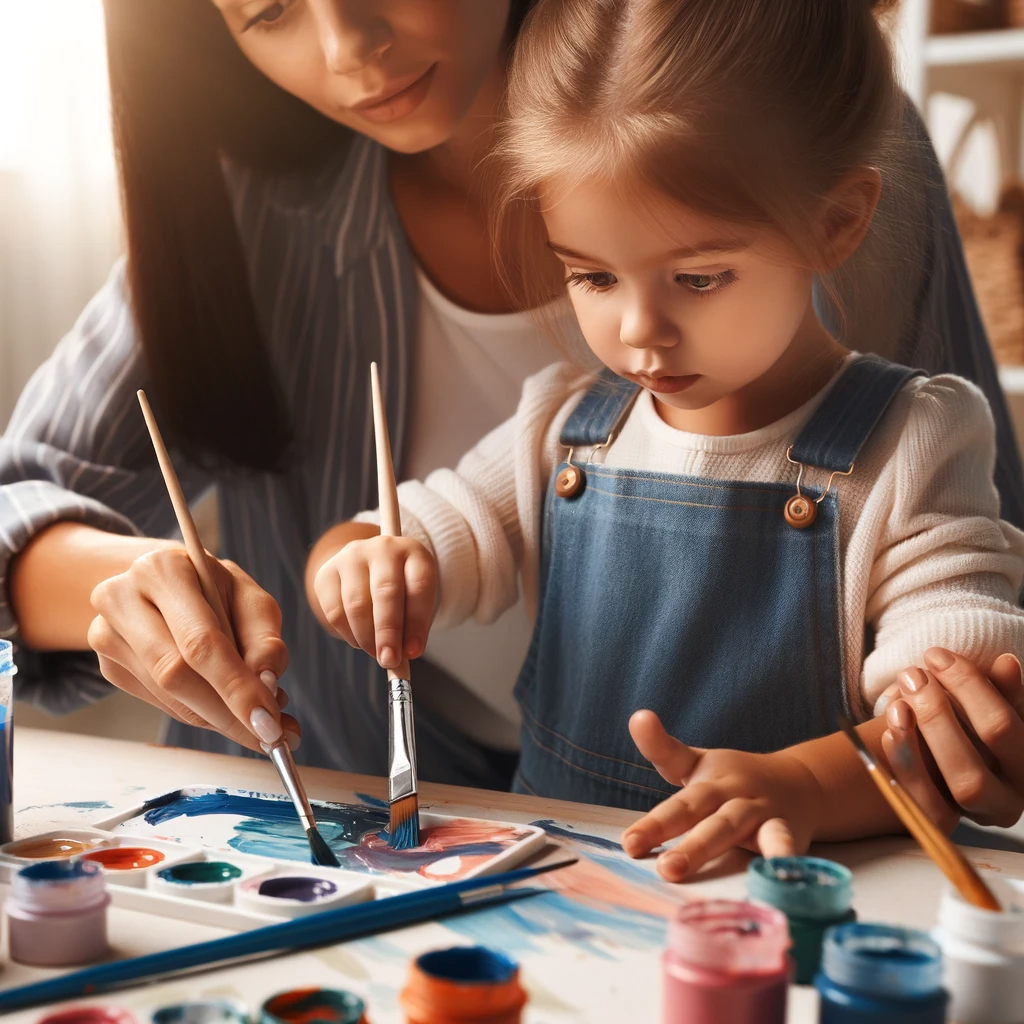
Improves Motor Skills
The physical act of drawing, painting, or sculpting involves fine motor skills and hand-eye coordination. For young children, these activities are crucial for their development. Art therapy can refine their motor skills, which are essential for other academic and life tasks such as writing, typing, and other precise movements.
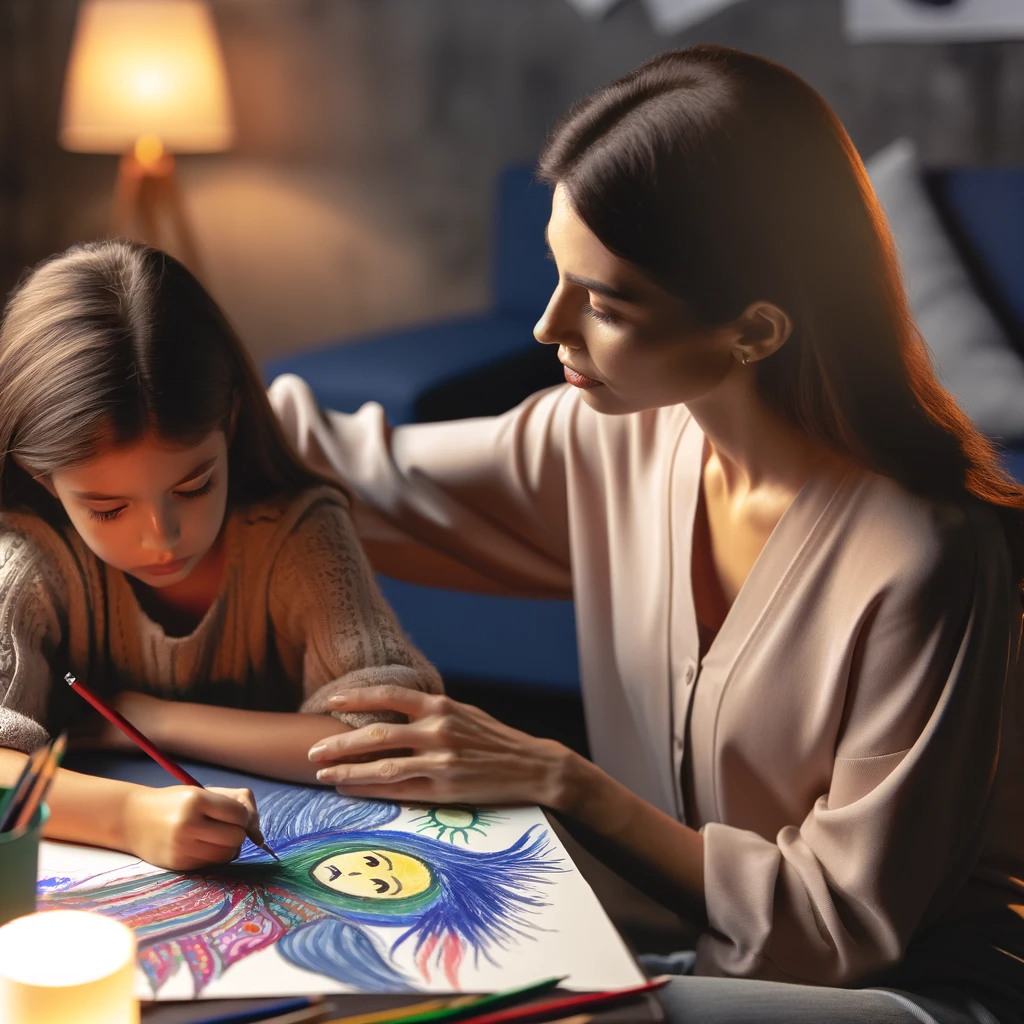
Offers a Form of Therapy for Traumatic Experiences
Children who have undergone traumatic experiences often find it difficult to express their emotions verbally. Art therapy provides an alternative medium for them to process these complex feelings and experiences. It offers a form of healing and a way to navigate their emotions in a supportive environment.

Encourages Social Skills
Group art therapy sessions offer a sense of community and belonging. Children learn to share materials, collaborate on projects, and provide feedback to their peers. This social interaction is crucial for developing empathy, understanding, and teamwork skills.
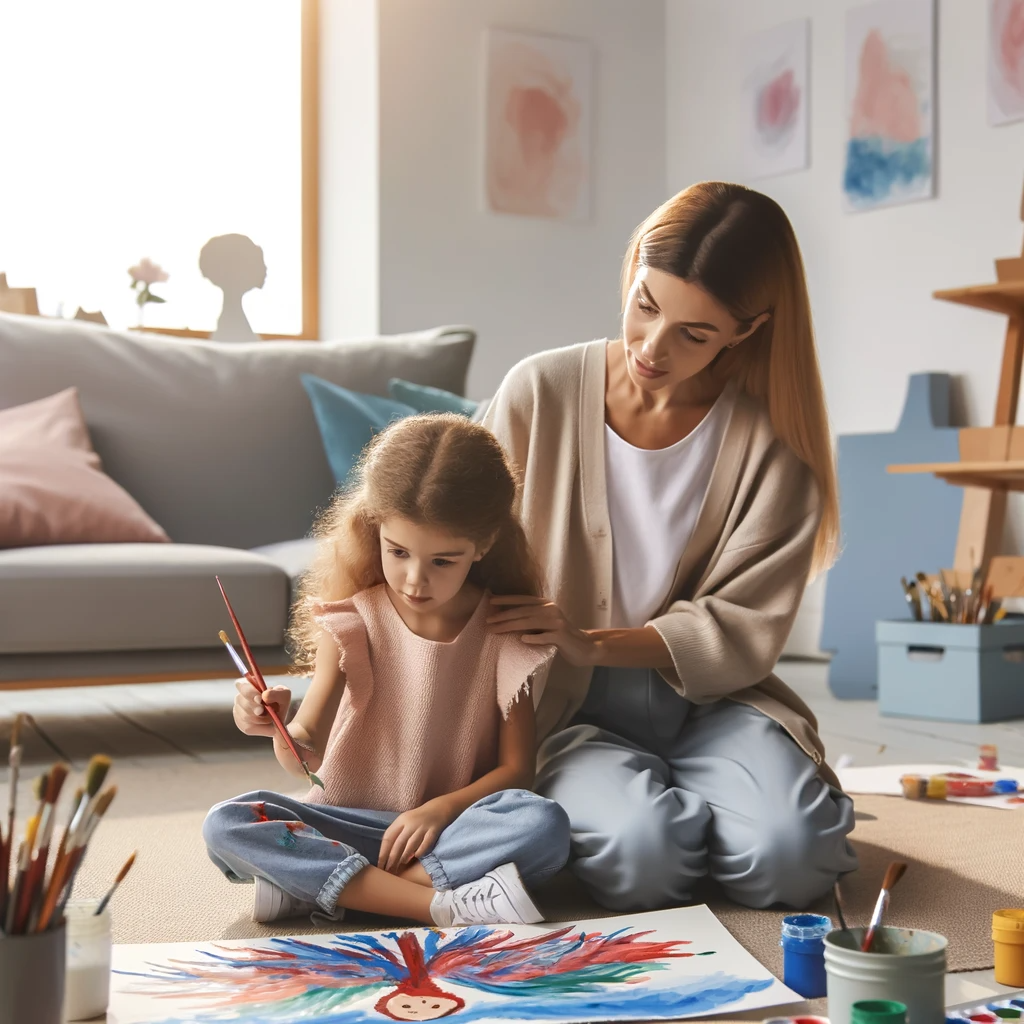
Provides a Non-Threatening Outlet for Expression
The open-ended nature of art means there is no right or wrong way to create. This non-judgmental environment allows children to explore, experiment, and take risks without fear of criticism. It’s a space where they can truly be themselves, which is invaluable for personal growth and self-discovery.
Supports Learning and Cognitive Development
Art therapy is not only about emotional expression; it also supports cognitive development. Children learn about colors, shapes, patterns, and spatial relationships. They also develop critical thinking and observational skills as they translate their ideas and perceptions into artwork.
Personal Reflection: A Solo Mother and Psychologist’s Perspective
As a solo mother and a professional in the field of psychology, my advocacy for art therapy is not only professional but also deeply personal. Balancing the dual roles of a caregiver and a mental health advocate, I’ve witnessed firsthand the transformative power of art therapy in nurturing a child’s emotional and cognitive development.
Raising a child alone comes with its unique set of challenges and responsibilities. Every day, I endeavor to provide not just for my child’s basic needs, but also for their emotional and psychological growth. In this journey, art therapy has emerged as a powerful ally. It’s a peaceful haven where my child can explore their inner world, express their emotions freely, and develop their unique voice, all within the safe confines of the therapeutic canvas.
From a psychologist’s standpoint, I appreciate the science-backed benefits of art therapy. It’s heartening to see my child and others engage in a process that bolsters their emotional intelligence, enhances their communication skills, and fosters a robust sense of self. The joy in a child’s eyes when they complete a piece of art is not just about the creation itself, but about the entire journey of self-exploration and expression that art therapy facilitates.
As a solo mother, the communal aspect of art therapy resonates strongly with me. It’s a reminder that while the journey of raising a child might be solitary at times, the experiences and growth can be wonderfully communal. Watching children collaborate, share, and grow together in group art therapy sessions underscores the importance of social bonds and shared experiences in a child’s development.
In both my personal and professional life, I’ve seen art therapy not just as a tool, but as a companion on the journey of child-rearing and psychological healing. It’s a testament to the resilience of the human spirit and the boundless potential within every child. As I continue to support my child and advocate for mental health, art therapy remains a cherished and vital part of our journey—a journey marked by colors, creativity, and the courage to express and heal.
In conclusion, art therapy offers a plethora of benefits that contribute to the holistic development of children. It nurtures their creativity, emotional intelligence, social skills, and cognitive development, providing a foundation for healthy growth and learning. Whether used in schools, therapeutic settings, or at home, art therapy is a valuable tool for supporting children’s development and helping them navigate the complexities of growing up.
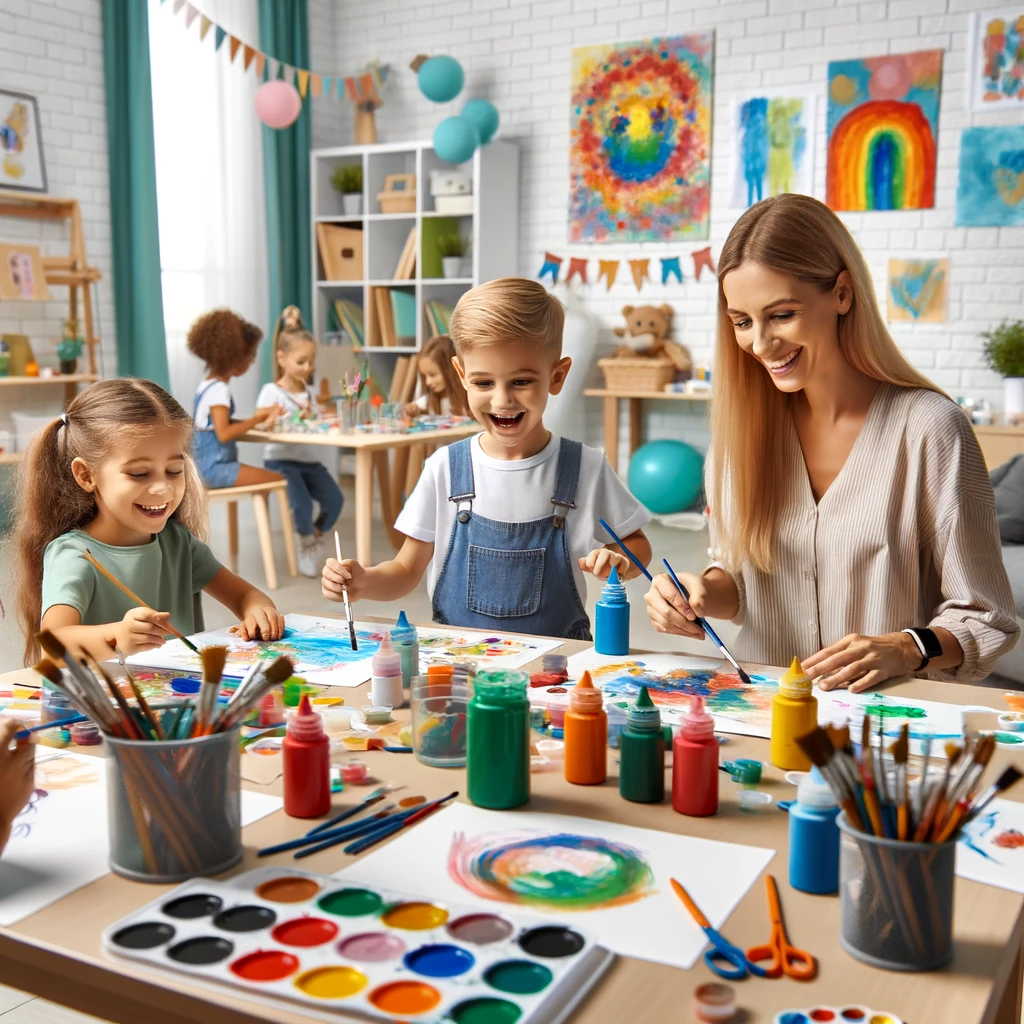
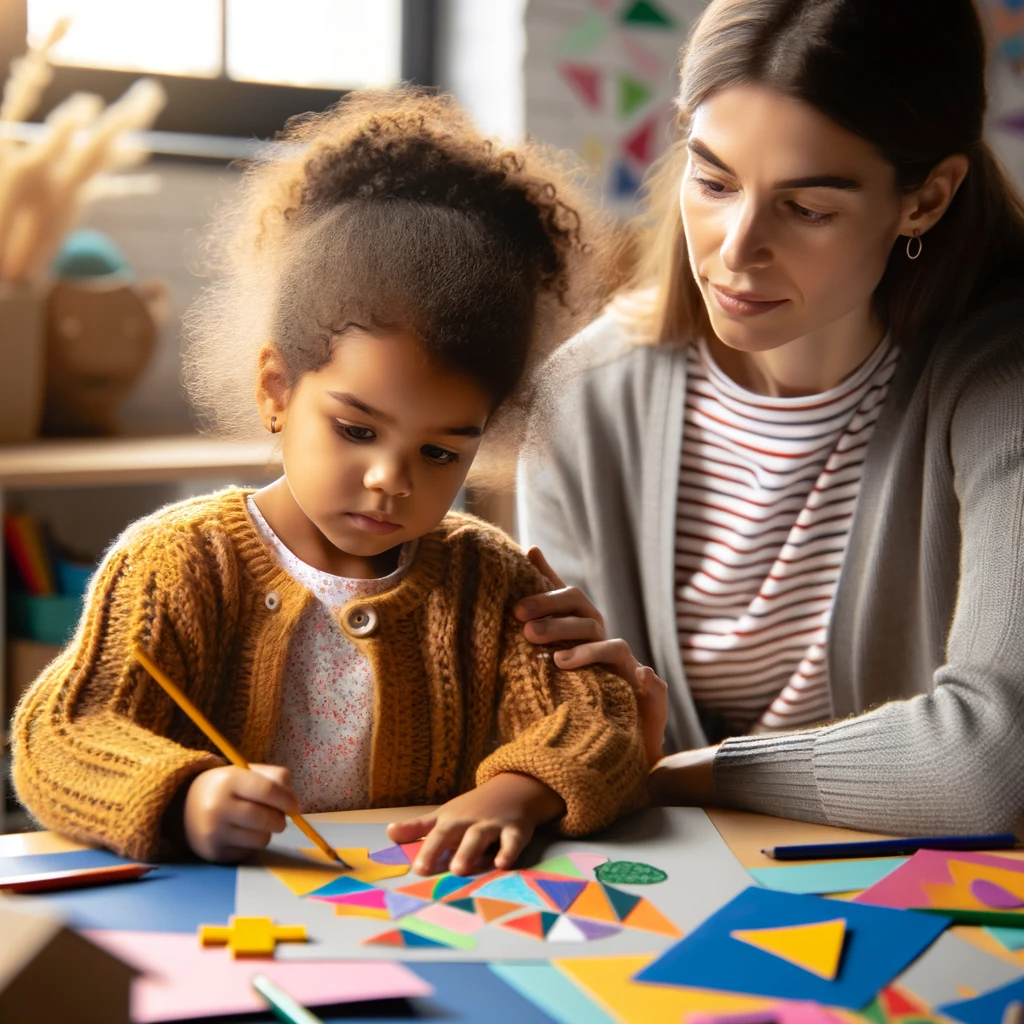
Incorporating art therapy into a child’s routine can be a joyful and enriching experience, as depicted in the image of an art therapy session, where children are joyfully engaging in creative activities under the guidance of an art therapist.
Art therapy is not just about creating art; it’s about unlocking potential, healing wounds, and discovering the joy of self-expression. It’s a journey that allows children to paint their path to emotional health, cognitive growth, and a brighter, more colorful future.



 Sonia M. Rompoti, MSc, Bsc
Leave a comment