


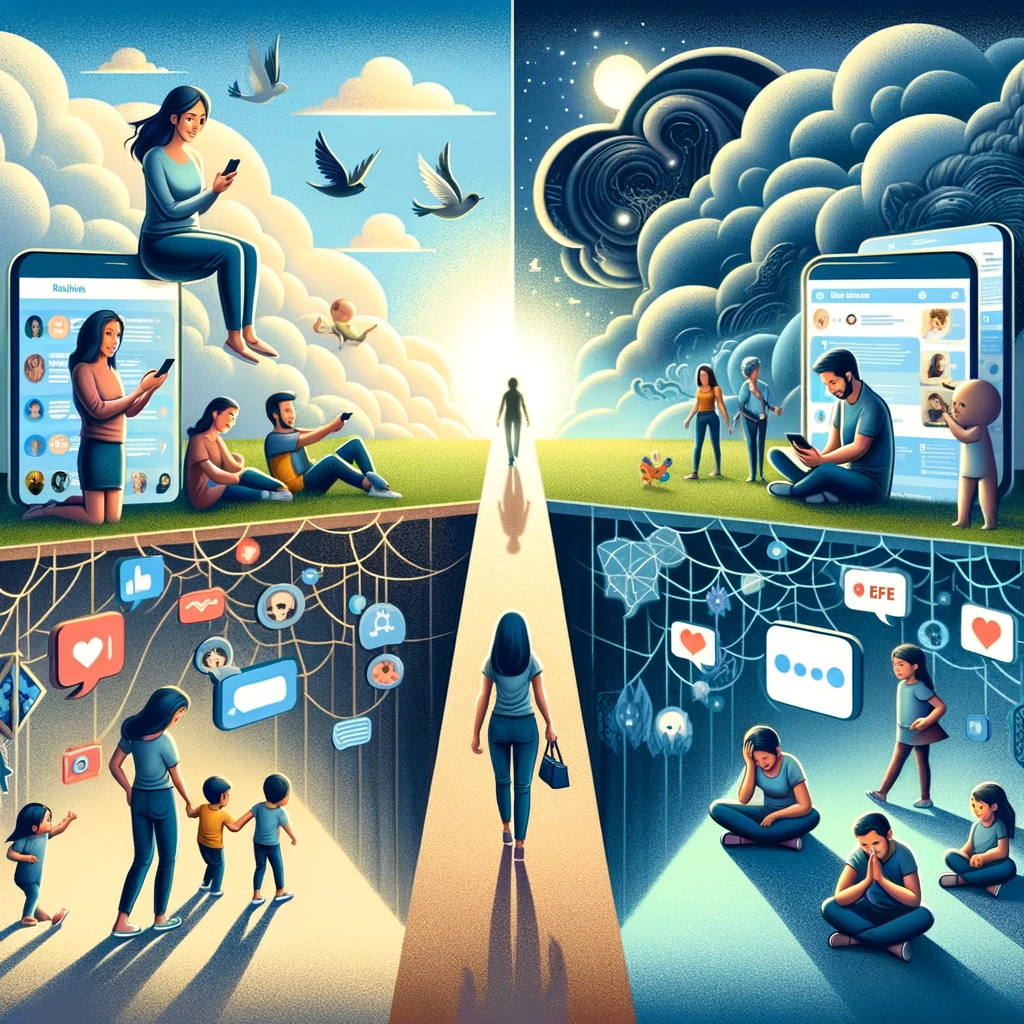
In today’s digitally dominated world, social media platforms have become integral to our daily lives. These platforms, designed to connect us with friends, family, and the broader world, also wield significant influence over our mental and emotional wellbeing. This article delves into the multifaceted impacts of social media on mental health, exploring both the positive aspects and the potential pitfalls.
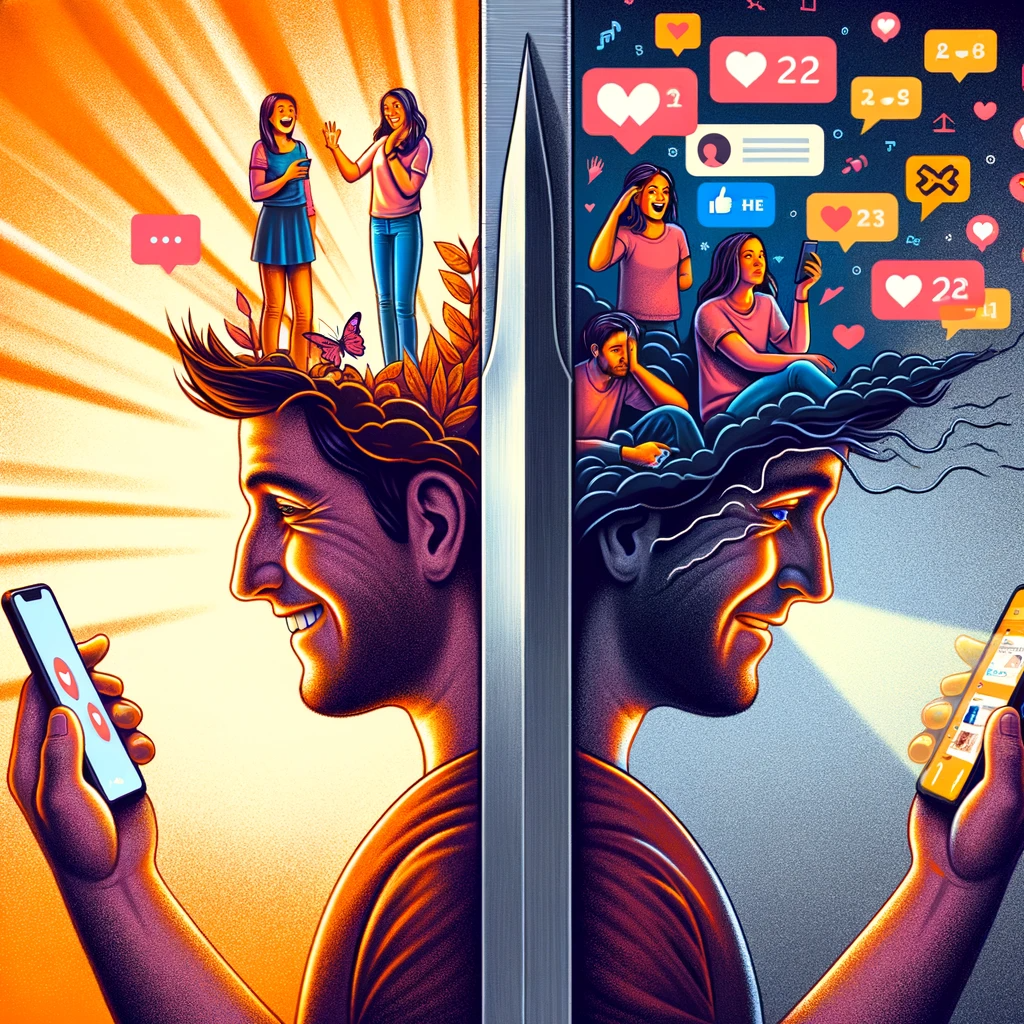
The Double-Edged Sword
My thesis at university was based on this conundrum. People who used the Internet at the time were either severely depressed or exceedingly happy and well-adjusted. However, no one could forecast the developing component. Cue me: I proposed (and demonstrated) that the type of use was the determining factor! If someone used the internet to learn new things and make new acquaintances, the results would be fantastic. However, those who relied solely on the internet for information or avoided in-person encounters developed depression.
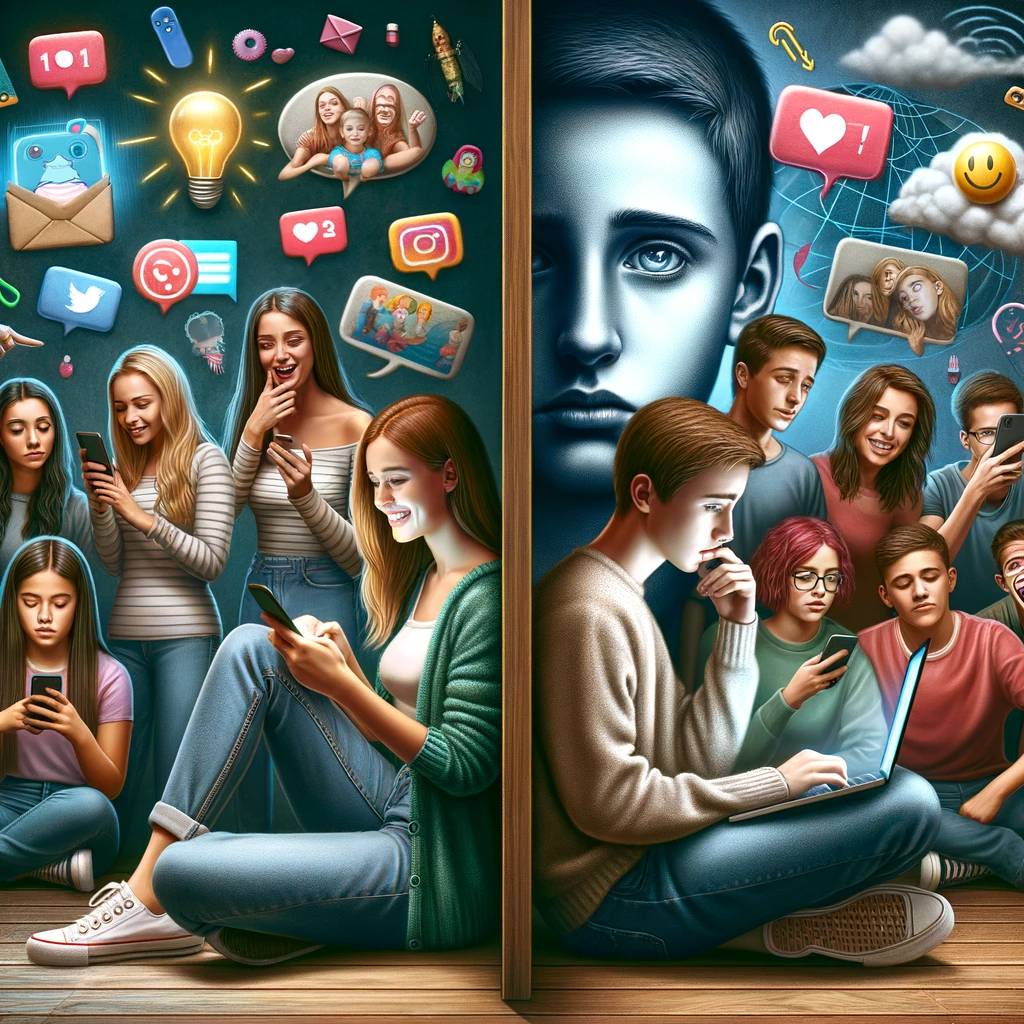
Social media is a double-edged sword, offering benefits like increased connectivity and support networks, while also exposing users to negative experiences such as cyberbullying and unrealistic comparisons.
The Bright Side: Connectivity and Community
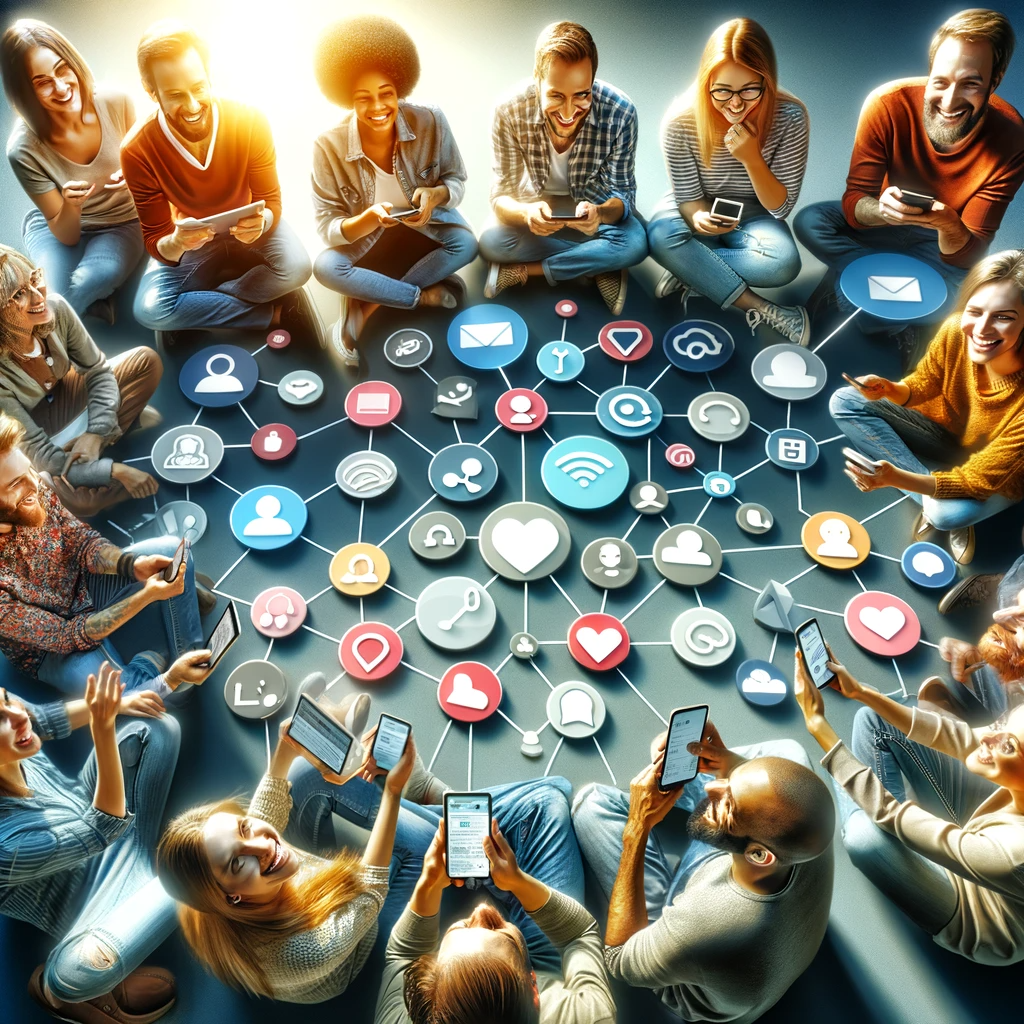
Social media platforms are powerful tools for staying connected with loved ones, especially in times when physical closeness is not possible. They offer spaces for individuals to find communities of like-minded people, share experiences, and express themselves. Online support groups on platforms like Facebook and Reddit provide solace and understanding for those grappling with specific challenges, from mental health issues to parenting struggles.
The Dark Side: Anxiety and Isolation
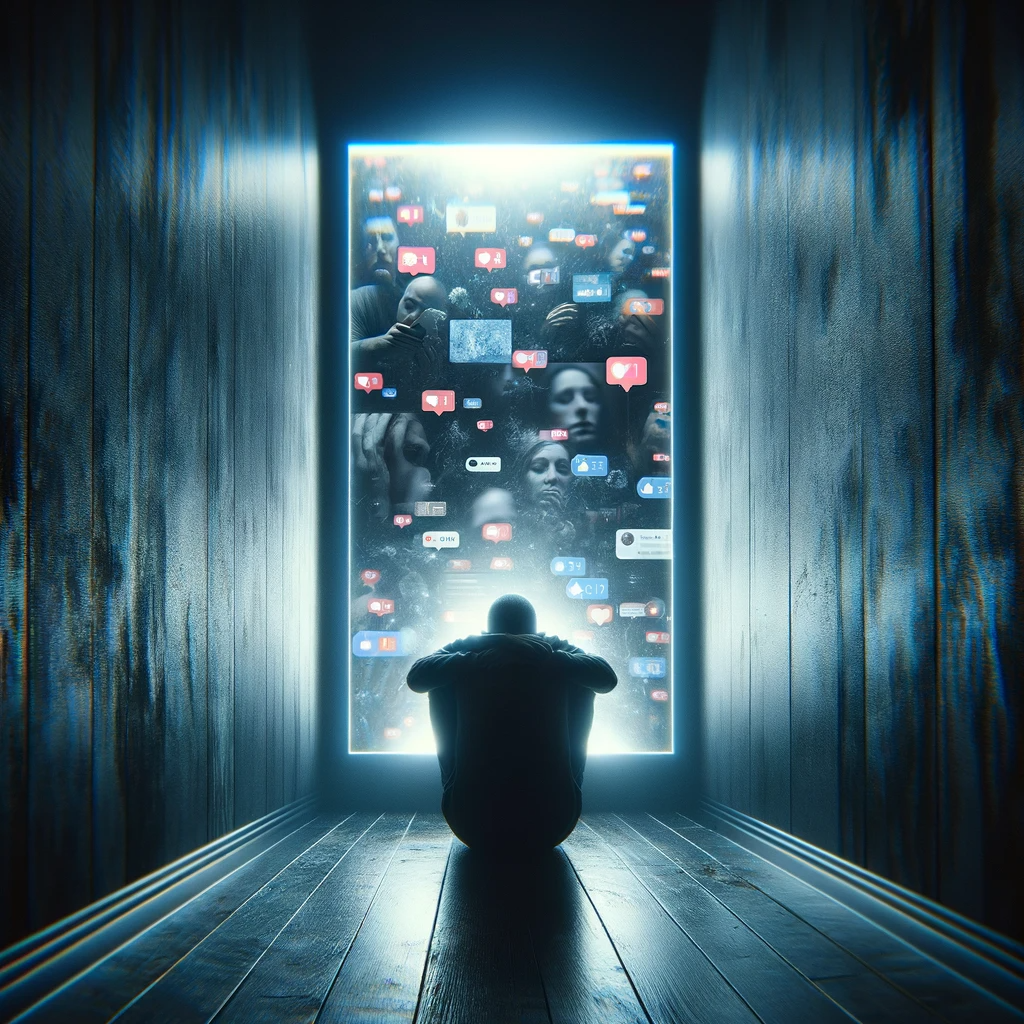
Despite these benefits, excessive social media use can lead to feelings of inadequacy and anxiety. Platforms inundated with curated snapshots of others’ lives often present an unrealistic standard of living, beauty, and success, leading to harmful comparisons. The fear of missing out (FOMO) can make users feel like they are not living life to the fullest, exacerbating feelings of loneliness and isolation.
The Impact on Young Minds
The effects of social media on mental health can be particularly pronounced among adolescents and young adults. This demographic is not only tech-savvy but also at a developmental stage where peer approval is highly sought after, making them vulnerable to the pressures of social media.
Cyberbullying: A Modern Menace
Cyberbullying has emerged as a significant threat, with around-the-clock access to social media providing a new, pervasive channel for harassment. The anonymity afforded by the internet can sometimes lead to more extreme behavior than what might occur face-to-face. The repercussions for mental health can be severe, with victims experiencing increased anxiety, depression, and even suicidal thoughts.
The Quest for Likes: A Validation Vortex
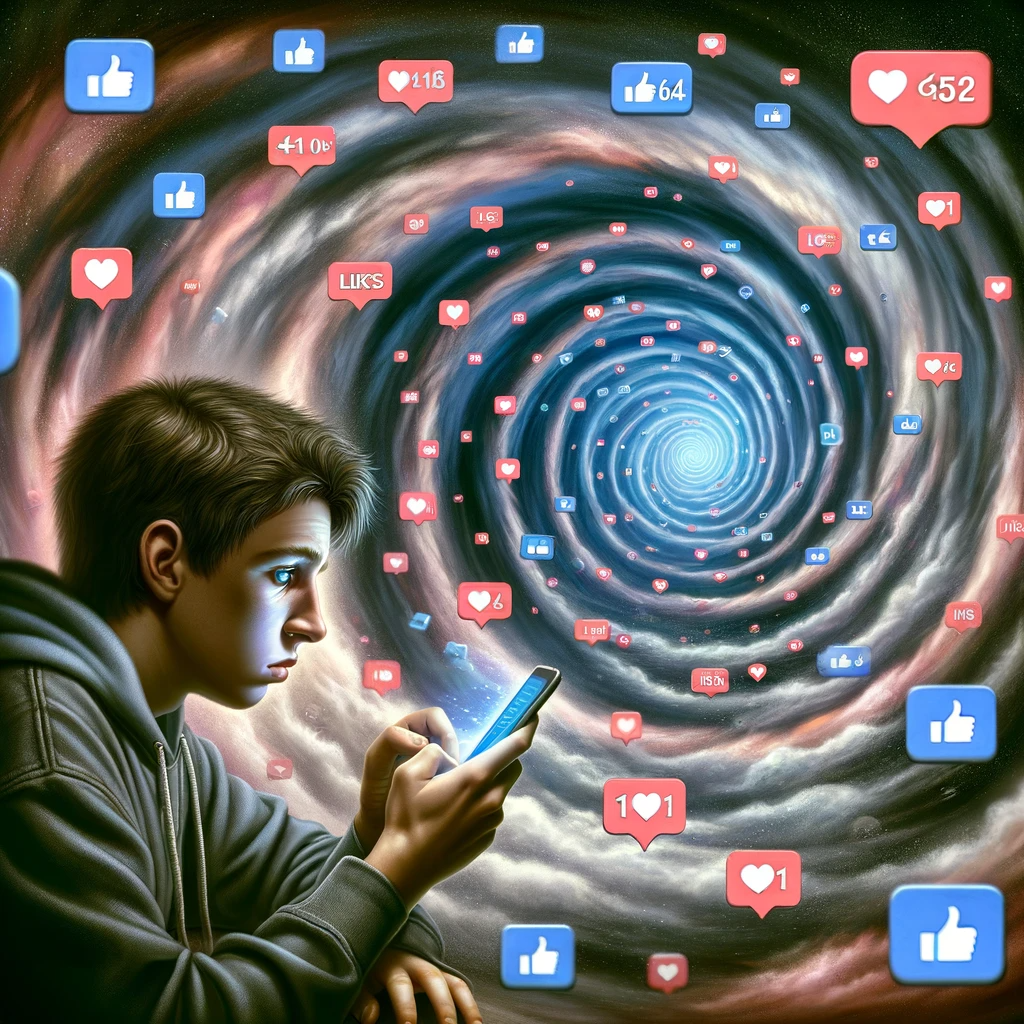
Social media platforms are engineered to keep users engaged, often through mechanisms that encourage a cycle of posting and seeking validation through likes and comments. This quest for online approval can become an obsession, particularly for younger users, impacting their self-esteem and sense of self-worth.
Navigating the Social Media Landscape
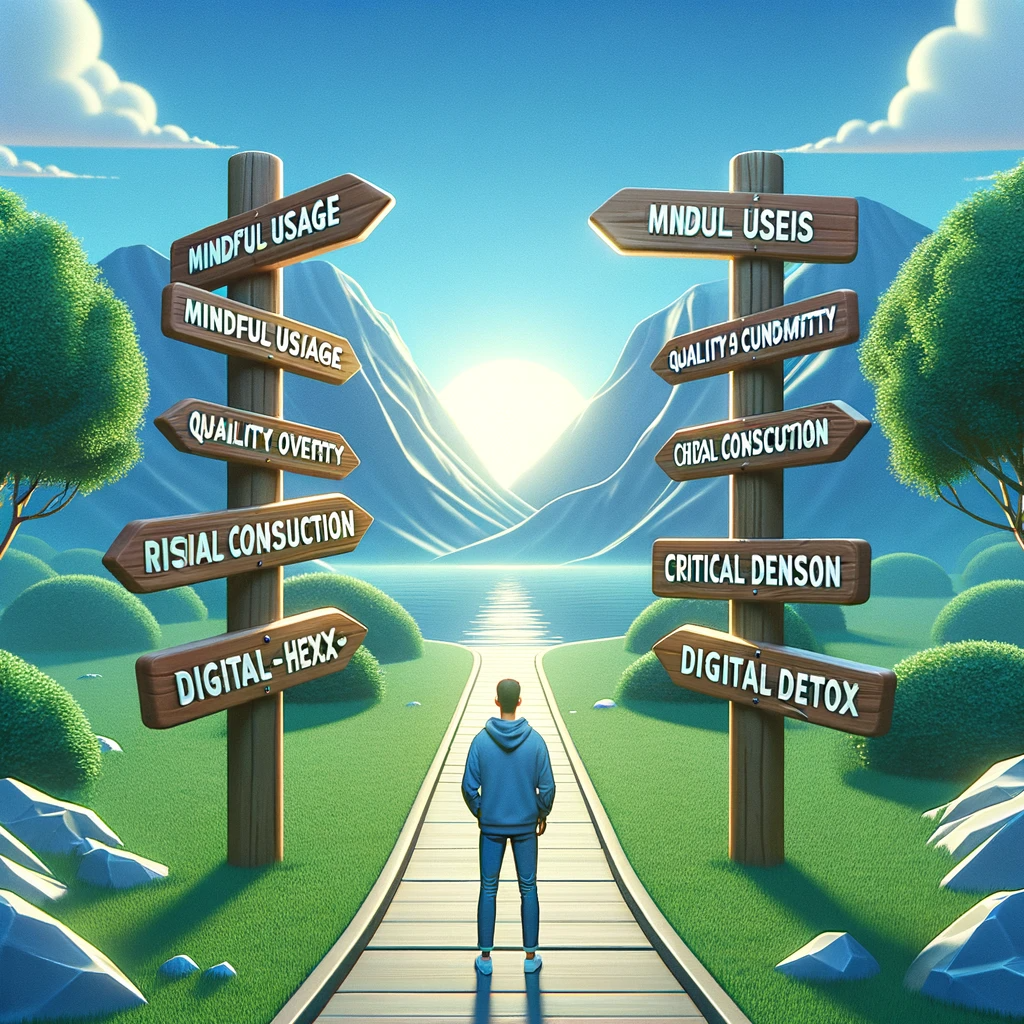
While the negative aspects of social media are real and concerning, it’s also essential to recognize and harness its potential for positive impact. Here are some strategies for maintaining a healthy relationship with social media:
- Mindful Use: Be conscious of the time spent on social media and the content consumed. Apps that track usage can be helpful in setting boundaries.
- Quality Over Quantity: Focus on fostering meaningful connections rather than accumulating likes or followers.
- Critical Consumption: Remind yourself that what you see online is often a curated version of reality and not an accurate reflection of someone’s life.
- Digital Detox: Regularly take breaks from social media to reconnect with the physical world and engage in activities that promote mental wellbeing.

Personal Reflection: Navigating Parenthood in the Digital Age
As a parent in this digitally interconnected world, the pervasive influence of social media and the internet on our children’s lives is a constant source of worry and contemplation. Witnessing firsthand the duality of this digital realm – its power to both connect and isolate – prompts a deep-seated concern about its impact on the young, impressionable minds of our children.
My child’s interaction with the internet often leaves me in a state of heightened alertness, balancing the recognition of its immense potential for learning and growth against the undeniable risks it harbors. The vast expanse of information and connectivity at their fingertips is awe-inspiring, yet the shadow of cyberbullying, exposure to inappropriate content, and the subtle pressures of social validation loom large.
In grappling with these concerns, I’ve come to realize the importance of proactive engagement in my child’s digital life. It’s not just about setting boundaries or monitoring screen time; it’s about nurturing an open, ongoing dialogue about the complexities of the online world. Encouraging critical thinking, fostering resilience, and teaching the value of empathy and respect in digital interactions stand as pillars in this endeavor.
Moreover, it’s about setting a personal example. Our children observe and absorb our habits, our relationship with technology, and how we let it shape our lives. By embodying mindful digital practices, we not only guide them but also learn alongside them, navigating the ever-evolving digital landscape as a united front.
In this journey, the aim is not to shield them entirely from the digital world but to equip them with the wisdom to navigate it discerningly. It’s about empowering them to harness the positive, mitigate the negative, and emerge as responsible, conscious digital citizens in this intricate web of the digital age.
Social media, a ubiquitous part of modern life, has a profound impact on our mental health. While it offers the undeniable benefits of connectivity and community, it also presents challenges like anxiety, isolation, and cyberbullying. Understanding these impacts and adopting mindful usage practices can help in nurturing a more positive relationship with these digital platforms. As we navigate this connected world, it’s crucial to remember the importance of balancing our online presence with real-world experiences and connections.



 Sonia M. Rompoti, MSc, Bsc
Leave a comment