



Parenting is an intricate dance of patience and perseverance, especially when it comes to education. When children struggle with their lessons, the ripple effect on their mental health can be significant. This situation is further complicated when parents feel that schools are not providing the necessary support.
In such scenarios, understanding and addressing the emotional turmoil experienced by both the child and the parent becomes crucial. This article explores strategies to manage these challenges, ensuring the child’s mental well-being remains at the forefront of their educational journey.
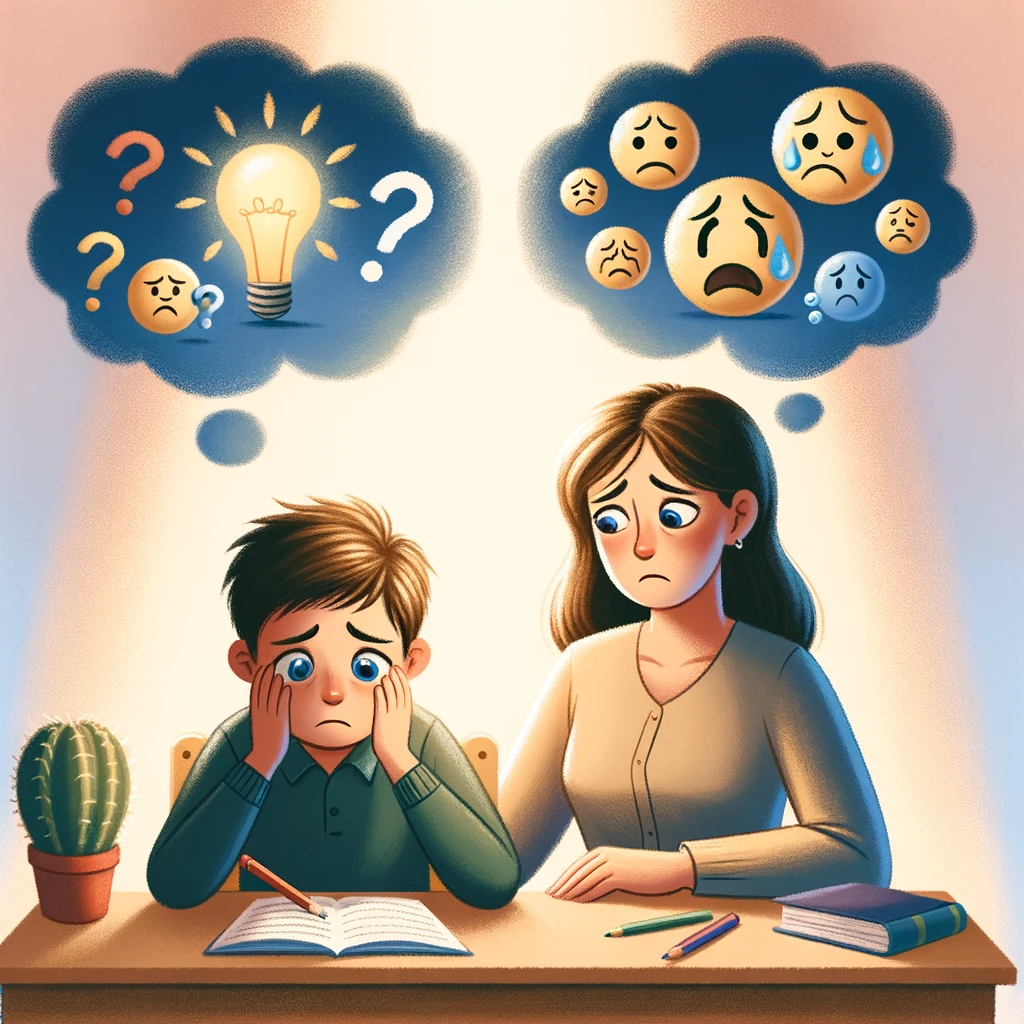
Understanding the Emotional Landscape
When a child repeatedly faces difficulties in understanding their lessons, it can lead to a cycle of frustration, low self-esteem, and anxiety. These emotions are not isolated to the child; parents too experience a range of feelings including concern, helplessness, and occasionally, frustration. Recognizing these emotions is the first step towards managing them effectively.
- Empathy: A Two-Way Street: Begin by acknowledging the struggle. Understand that your child’s inability to grasp certain concepts is not a reflection of their intellect or potential. Simultaneously, recognize and accept your feelings of frustration. Empathy is crucial—it bridges the gap between your experiences and your child’s, fostering a supportive environment for learning.
- Communication: The Heart of Understanding: Open lines of communication are essential. Encourage your child to express their feelings about school and learning. Listen attentively to understand their challenges and fears. Similarly, share your feelings, ensuring to convey that your emotions stem from concern and a desire to support them.
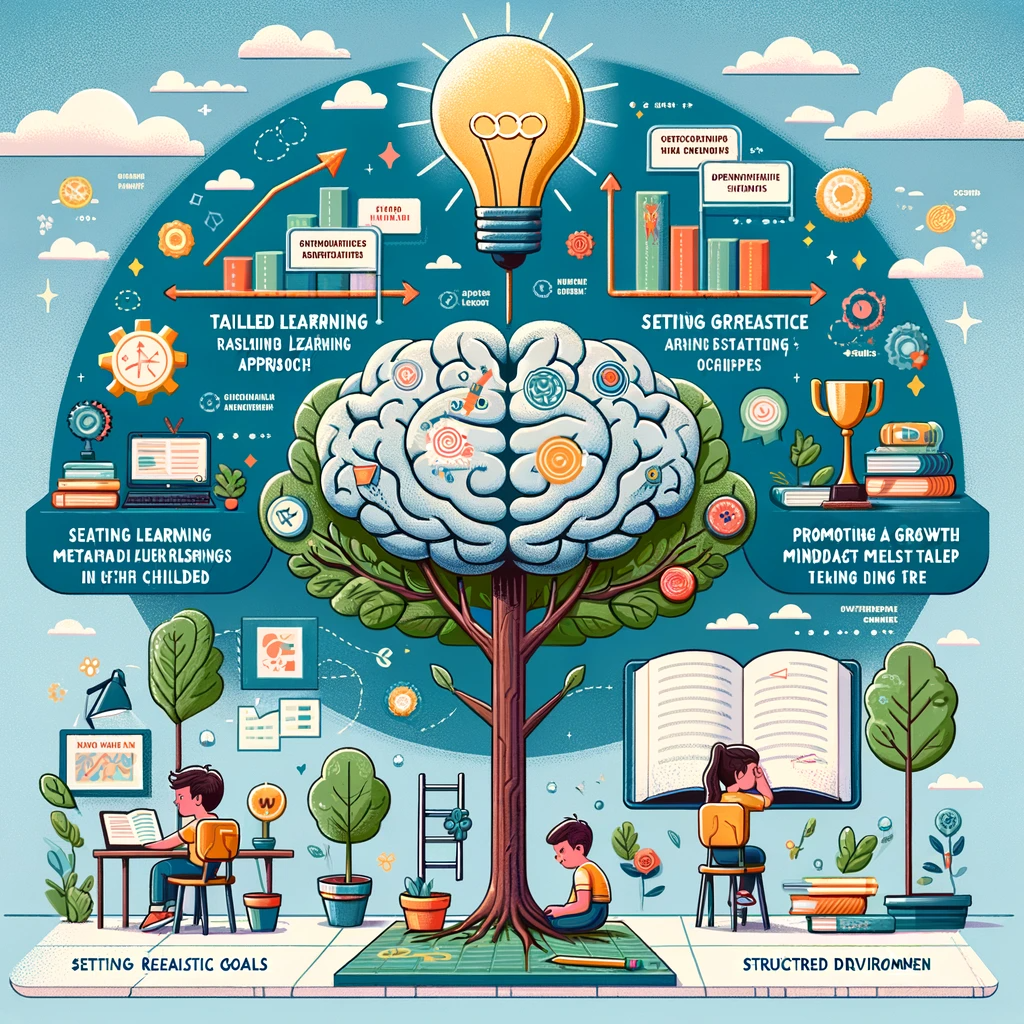
Strategies to Foster Learning and Mental Well-Being
- Tailored Learning Approaches: Recognize that each child’s learning style is unique. Some may be visual learners, while others might prefer auditory or kinesthetic learning. Discover your child’s preferred learning style and adapt your teaching methods accordingly.
- Setting Realistic Goals: Set achievable goals and celebrate small victories. This approach helps in building confidence and reducing anxiety associated with learning.
- Promoting a Growth Mindset: Encourage a growth mindset—emphasize that intelligence and abilities can develop with effort, perseverance, and resilience. Teach your child to view challenges as opportunities for growth rather than insurmountable obstacles.
- Creating a Structured Environment: A structured, distraction-free environment can significantly enhance focus and learning. Ensure the study space is well-organized, quiet, and conducive to learning.

When School is Not an Ally
There are instances when parents feel that their child’s educational needs are not being adequately met by the school. In such situations, taking proactive steps is key.
- Seeking External Support: Consider seeking help from tutors, educational therapists, or psychologists who specialize in learning disabilities, if you suspect that your child has an underlying issue that the school is not addressing.
- Building a Support Network: Connect with other parents facing similar challenges. Sharing experiences and resources can be incredibly beneficial. Online forums and local support groups can be valuable resources.
- Advocacy and Collaboration: Advocate for your child’s educational needs. Collaborate with teachers and school administrators to develop a tailored education plan that accommodates your child’s unique learning style and challenges.

Personal Reflections on the Journey of Solo Parenting and Education
As a solo parent, the journey through your child’s educational landscape is often a testament to resilience and unconditional love. There are days when the physical exhaustion and the weight of responsibilities converge, making even the simplest tasks seem insurmountable. On such days, you witness your child, fatigued yet earnestly trying to grasp new concepts, and you can’t help but mirror their determination and their frustration.
When your child is too tired to understand the lessons before them, it’s not just their struggle; it’s yours too. Your heart aches to see them strive, knowing well that their little minds are overworked and in desperate need of rest. It’s in these moments that the challenges of solo parenting in the realm of education become most palpable. You are the teacher, the motivator, the comforter, and so much more. The absence of a partner to share these responsibilities often amplifies the weight of the task.
However, it’s also in these moments that the strength and depth of your bond shine the brightest. You learn to read the signs of mental fatigue and to adapt accordingly. You become adept at balancing the thin line between encouraging perseverance and acknowledging the need for rest. You learn that sometimes, the most productive thing to do is to take a step back, to breathe, and to allow space for recovery and rejuvenation.
The journey is arduous, no doubt. Yet, it is also incredibly rewarding. Each challenge navigated, each small victory, adds another layer to the rich tapestry of your relationship with your child. It’s a journey that shapes not just their academic prowess, but their character, resilience, and their understanding of the profound power of love and support.
Navigating your child’s learning difficulties is a journey filled with challenges and triumphs. Remember, the goal is not just academic success but fostering a resilient, confident, and mentally healthy individual. By understanding the emotional complexities, adopting tailored learning strategies, and seeking the right support, you can turn this journey into a rewarding experience that strengthens the bond between you and your child.
This comprehensive approach ensures that you’re not just addressing the academic hurdles but also nurturing your child’s mental well-being, paving the way for a resilient and adaptable mindset. Remember, with empathy, understanding, and the right strategies, you can transform these challenges into opportunities for growth and learning.



 Sonia M. Rompoti, MSc, Bsc
Leave a comment