



Habits are the invisible architecture of daily life, subtly steering our actions, shaping our behaviors, and, ultimately, defining our lives. Understanding the psychology behind habit formation is not just an academic exercise; it’s a practical tool that can empower us to make lasting changes, enhance our productivity, and cultivate a life aligned with our deepest values.
This article delves into the fascinating world of habits, unraveling the psychological threads that weave the tapestry of our routine behaviors.
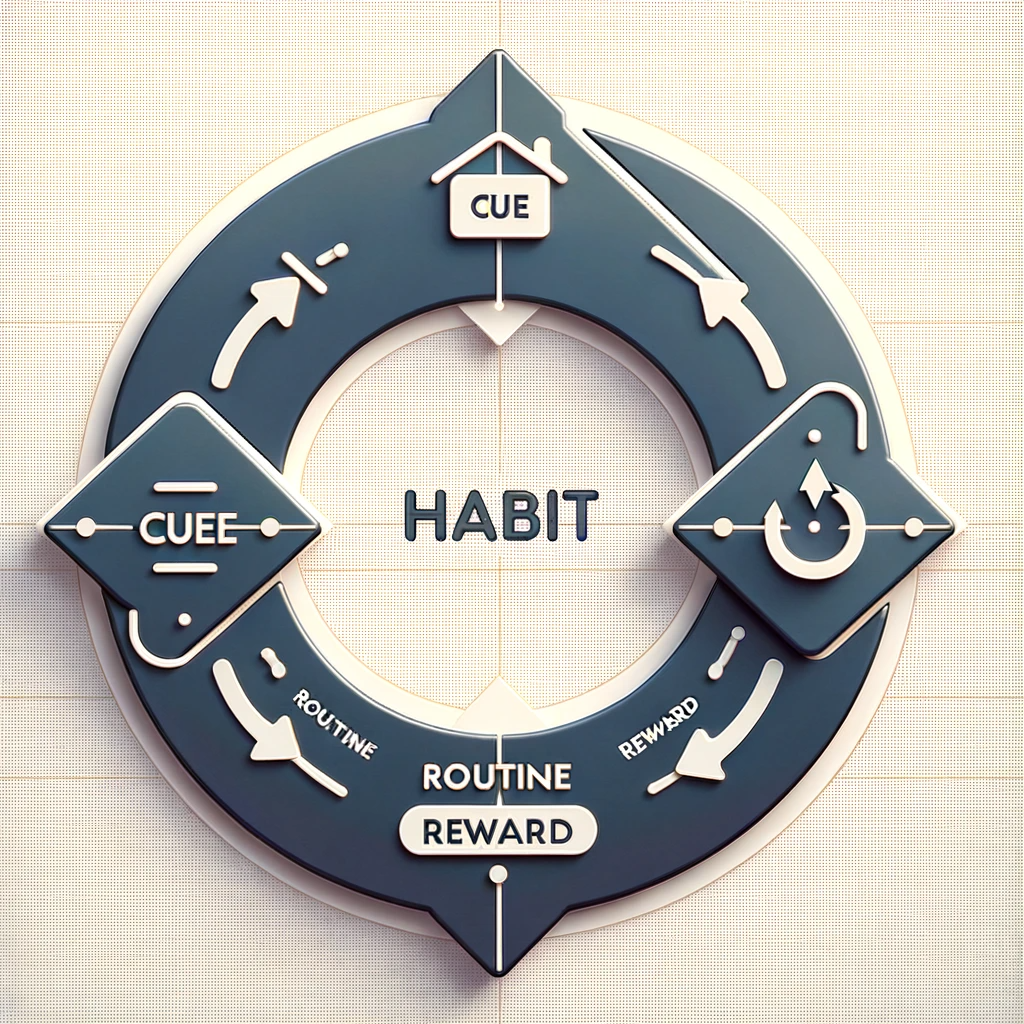
The Habit Loop: Cue, Routine, Reward
At the heart of habit formation lies a simple, yet powerful, neurological loop consisting of three components: a cue, a routine, and a reward. This loop was popularized by Charles Duhigg in his book “The Power of Habit,” where he illuminates how this cycle is ingrained into the structures of our brain.
The cue is a trigger that tells your brain to go into automatic mode and initiates the behavior. It can be anything from a specific location, a time of day, an emotional state, or the company of particular people. The routine is the behavior itself, the action you take automatically when you encounter the cue. The reward is what you gain from the behavior, which helps your brain determine if this particular loop is worth remembering for the future.
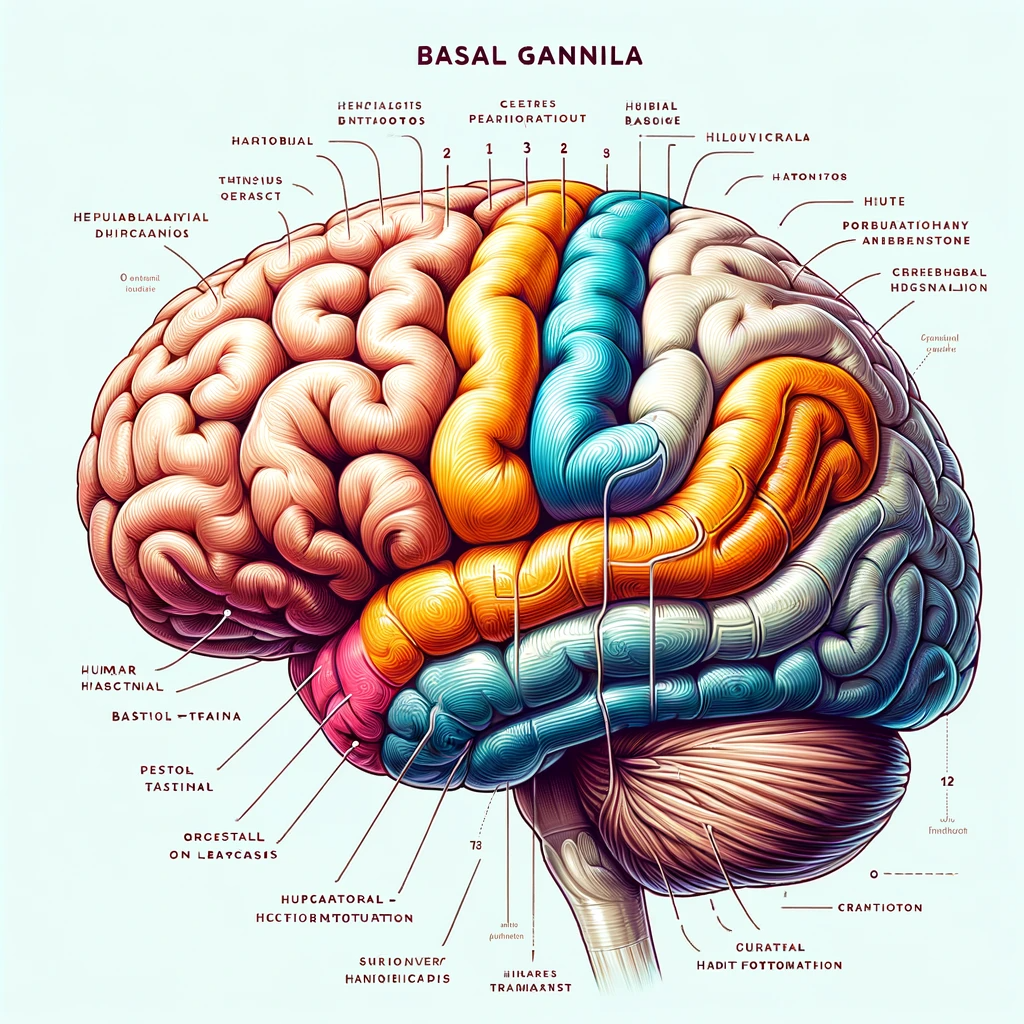
The Role of the Basal Ganglia
The basal ganglia, a group of structures in the brain, play a crucial role in habit formation. Research shows that as a behavior becomes a habit, the activity in the brain shifts from the prefrontal cortex, responsible for decision-making and conscious thought, to the basal ganglia. This shift is significant because it frees up mental resources. Habits, essentially, allow our brains to perform routine tasks with minimal mental effort.
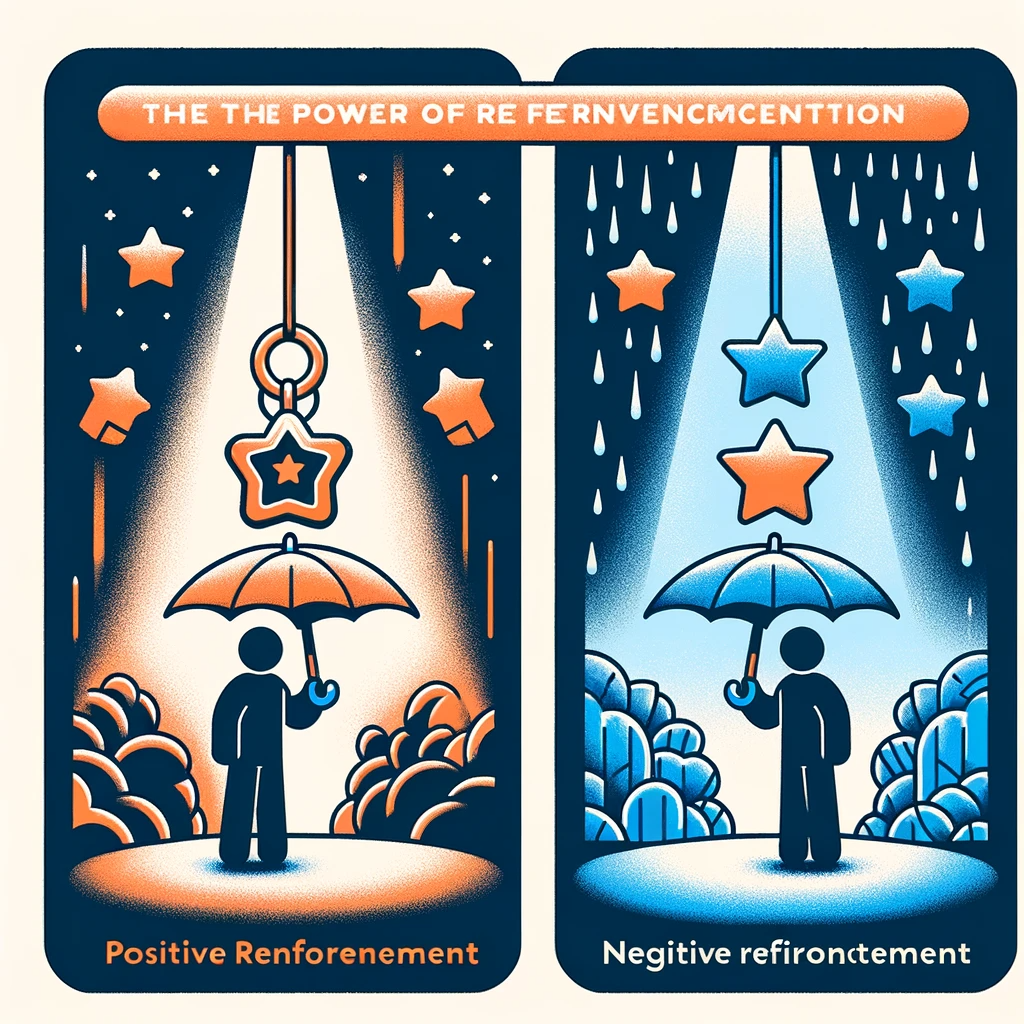
The Power of Reinforcement
Reinforcement is a principle of behavior that increases the likelihood of a behavior being repeated. Positive reinforcement introduces a rewarding stimulus after a behavior, while negative reinforcement involves the removal of an adverse condition. For instance, the satisfaction of a clean kitchen can positively reinforce the habit of washing dishes immediately after eating.

The Impact of Beliefs and Identity
James Clear, in his book “Atomic Habits,” emphasizes the profound impact of beliefs and identity on habit formation. He argues that for habits to stick, they need to become part of your identity. When you see a habit as an expression of your identity (“I am a tidy person, so I clean my space regularly”), the behavior becomes more ingrained and less reliant on external rewards.

The Crucial Role of the Environment
The environment plays a pivotal role in shaping our habits. It’s often easier to change our surroundings than to change our mindset. By designing an environment that makes good habits more accessible and bad habits more difficult, we can tip the scales in our favor. For example, keeping fruits and healthy snacks in plain sight can promote healthier eating habits.

Overcoming Habit Inertia
The initial phase of habit formation is marked by inertia – a resistance to change. Understanding and anticipating this resistance is crucial. One effective strategy is to start with changes that are so small they seem trivial, which Clear refers to as “atomic habits.” These tiny, incremental changes can accumulate into significant transformations without triggering the inertia that often accompanies more substantial shifts.
Personal Reflections on the Challenge of Habit Change
In the relentless pace of today’s world, the endeavor to break old habits and forge new ones is akin to swimming against a powerful current. Every moment pulses with a barrage of demands, decisions, and distractions, making the very act of pausing to reflect a luxury that seems to carry its own cost. This frenetic rhythm can turn the pursuit of habit transformation into a Sisyphean task, where every step forward is countered by the inertia of a world that never stops moving.
The difficulty lies not only in the internal struggle against ingrained patterns of behavior but also in the external pressure of a society that prizes constant motion and immediate results. In such a landscape, even the smallest pause for introspection or habit adjustment can feel like a concession, a moment where the world rushes ahead while you stand still. This dynamic creates a paradox where the very actions that can lead to profound personal growth and efficiency—like cultivating healthy habits or investing time in deliberate practice—are the ones most susceptible to being sidelined.
However, it’s within this very challenge that the true value of habit transformation reveals itself. In breaking free from the autopilot of old routines and taking the reins of intentional habit formation, we don’t just alter our daily actions; we reclaim our agency in a world that often seeks to dictate our pace and direction. The process of habit change, demanding as it may be, is a powerful affirmation of our capacity to evolve and adapt, to harmonize with the cadence of a fast-moving world without losing sight of our individual rhythm and goals.
As such, the struggle to break habits and form new ones, while daunting, is a profound journey of self-discovery and empowerment. It’s a testament to the human spirit’s resilience and adaptability, a reminder that the ability to pause, reflect, and change course is not a detour on the path to success but a vital part of the journey itself. In embracing this challenge, we don’t just reshape our habits; we reshape our lives, crafting a narrative of growth, perseverance, and self-determination that unfolds with every deliberate choice we make.
Habits are the silent workers of our psychological makeup, continuously operating in the backdrop of our conscious minds. By understanding the psychological underpinnings of habit formation, we can harness this power to craft a life that reflects our true aspirations and values. Whether it’s adopting healthier routines, enhancing productivity, or fostering positive relationships, the mastery of habits is a gateway to a more intentional and fulfilling life.



 Sonia M. Rompoti, MSc, Bsc
Leave a comment