


Welcome to a world where ancient lore and modern science converge — the world of herbal magic. For centuries, plants have not only been central to medicinal practices but also to the mystical traditions of various cultures. Let’s embark on an enchanting journey through the history, science, and modern applications of these powerful plants.
The History and Lore of Magical Herbs
Our story begins in the mystical past. Cultures from the Egyptians to the Druids held plants in high esteem, often attributing magical properties to them.
For instance, sage has been used for cleansing spaces of negative energies, while the enigmatic mandrake was a staple in alchemical and magical practices. These stories aren’t just folklore; they are a testament to the deep connection our ancestors had with the natural world.
Medicinal Marvels – The Healing Power of Plants
Transitioning from myth to reality, let’s talk about the healing powers of these plants. Modern research has begun validating what traditional practices have long since known.
Lavender, for instance, isn’t just a pretty flower; it’s renowned for its calming effects.
Echinacea, meanwhile, is celebrated for boosting the immune system. It’s fascinating how these age-old remedies are finding their place in contemporary medicine.
The Science Behind the Magic
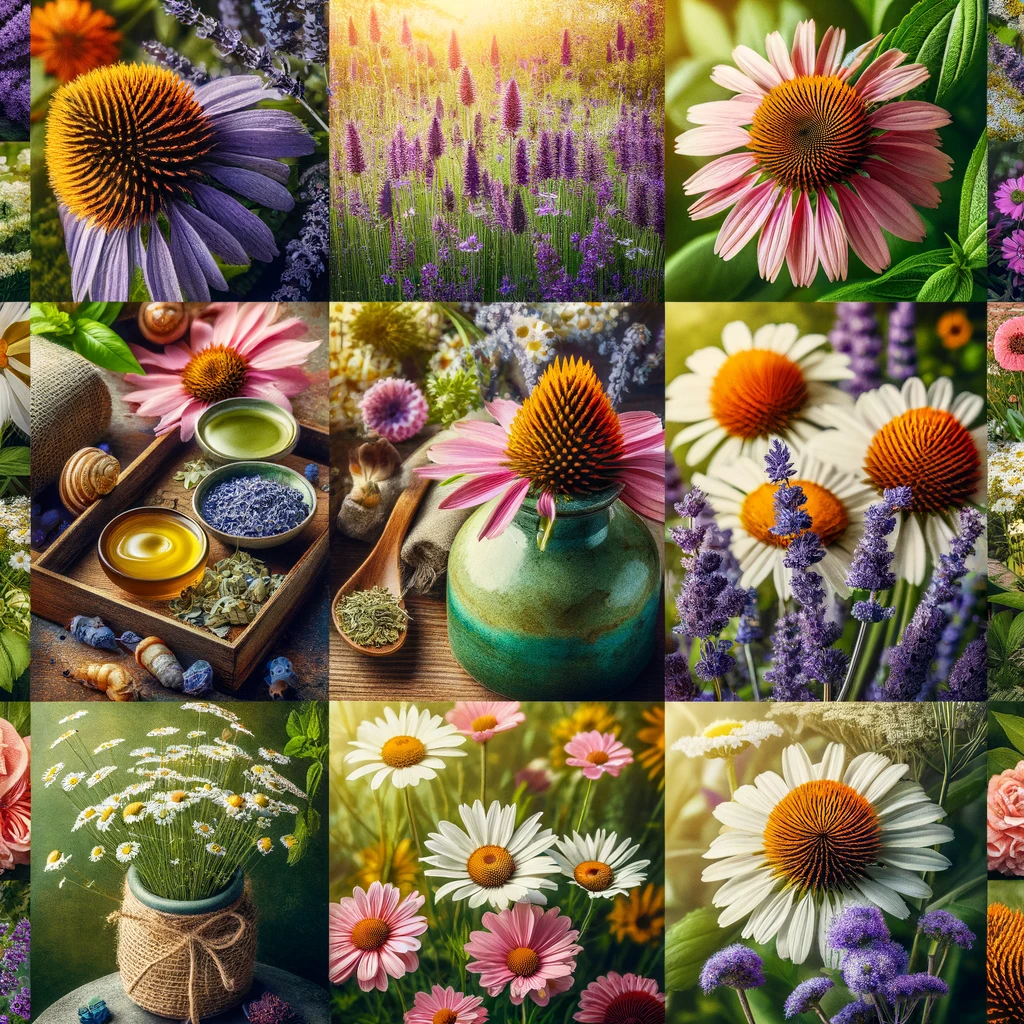
But what makes these plants so effective? Science has the answer. Take chamomile, for instance. Its calming effects can be attributed to its chemical composition, which promotes relaxation.
Similarly, the antiseptic properties of tea tree oil are well-documented in scientific literature. It’s a beautiful blend of nature’s simplicity and scientific complexity.
Specific Plants and Their Scientifically Backed Properties
While the realm of herbal magic is vast and diverse, let’s zoom in on a few specific plants, uncovering their uses and the scientific reasoning behind their efficacy.
1. St. John’s Wort (Hypericum perforatum)
- Traditional Use: Traditionally, St. John’s Wort has been used for its mood-enhancing properties.
- Scientific Evidence: Research shows that this plant contains active compounds like hyperforin and hypericin which may contribute to its antidepressant and anti-anxiety effects. Clinical trials have suggested its efficacy in treating mild to moderate depression.
- How it Works: These compounds are thought to increase the levels of neurotransmitters in the brain, such as serotonin and dopamine, which play a key role in regulating mood.
2. Ginkgo Biloba
- Traditional Use: Ginkgo has been used for centuries in traditional Chinese medicine, primarily for enhancing memory and cognitive functions.
- Scientific Evidence: Numerous studies indicate that Ginkgo Biloba extract can improve attention, memory, and cognitive speed. It’s believed to enhance blood circulation and protect neurons from oxidative stress.
- How it Works: Ginkgo contains flavonoids and terpenoids, which have strong antioxidant properties, protecting cells from oxidative damage.
3. Turmeric (Curcuma longa)
- Traditional Use: Used extensively in Ayurvedic medicine, turmeric is known for its anti-inflammatory and healing properties.
- Scientific Evidence: Curcumin, the main active ingredient in turmeric, has been extensively studied for its anti-inflammatory, antioxidant, and potential anticancer properties.
- How it Works: Curcumin modulates several important molecular pathways involved in inflammation, cell cycle regulation, and oxidative stress.
4. Valerian Root (Valeriana officinalis)
- Traditional Use: Valerian root has been used to promote relaxation and improve sleep quality.
- Scientific Evidence: Studies suggest that valerian root may improve sleep quality without producing side effects common to sleep-inducing drugs.
- How it Works: It’s believed that valerian root increases levels of a neurotransmitter called gamma-aminobutyric acid (GABA) in the brain, which has a calming effect.
Modern Uses and Applications
Herbal magic isn’t confined to history books or scientific journals; it’s alive and thriving today. Aromatherapy, herbal supplements, and natural skincare are just a few ways these ancient plants are used in our daily lives. It’s a testament to the timeless relevance of these natural wonders.
Personal Reflections on the Wisdom of Traditional Remedies
While the scientific exploration of herbal remedies is fascinating, there’s something deeply personal and profoundly effective about the traditional uses of plants and home remedies passed down through generations. These practices, often rooted in necessity, have stood the test of time, showcasing the ingenuity and resourcefulness of our ancestors.
I grew up hearing stories from my grandmother about how she used various plants and concoctions to alleviate ailments, especially during times of war or scarcity when modern medical aids were not available. These stories aren’t unique to my family; they are common in many cultures and families across the world.
In Greece, for example, ouzo, a popular local liquor, is applied to aching teeth for its numbing effect. Another common practice involves using a warm, dampened glass with paper to create a suction cup for relieving ear pain. These simple yet effective remedies highlight a universal truth: our ancestors were keen observers of nature and understood how to harness its healing powers.
These traditional practices are not just about the physical healing of symptoms; they are also about the comfort and connection they provide. They represent a bridge between the past and present, reminding us of the resilience and wisdom of those who came before us. Even today, amidst the plethora of modern medical treatments, many of us still turn to these time-tested remedies in times of need.
The effectiveness of such home remedies, often dismissed as mere folklore, is now being recognized and studied in scientific circles. This growing body of research not only validates these practices but also opens up new avenues for integrating traditional wisdom with modern healthcare.
This blend of personal experience and traditional knowledge forms an integral part of our collective heritage. As we continue to advance in medicine and technology, it’s important to remember and respect these humble yet powerful practices that have provided comfort and healing through the ages.
Our journey through the world of herbal magic shows us how the wisdom of the past blends seamlessly with the innovations of the present. The legacy of these magical plants is as vibrant today as it ever was, continuing to heal, soothe, and inspire.



 Sonia M. Rompoti, MSc, Bsc
Leave a comment