



Play is not just a way to pass time for children; it’s a crucial part of their development. From the moment they pick up their first toy to the intricate games they play with friends, each activity is a stepping stone in their growth.
This article delves into how play shapes the mental, emotional, and social faculties of children, paving the way for a well-rounded adulthood.

The Power of Play: More than Just Fun
While it’s easy to dismiss play as simple entertainment, it’s actually a dynamic tool for learning and brain development. During play, children learn to communicate, solve problems, and manage their emotions.
This is where they first start to understand the world around them. For instance, a child playing ‘house’ is not just having fun but is also learning about roles, responsibilities, and social interactions.
Tips and Tricks for Encouraging Play
Encouraging play in children is not always as straightforward as it seems. Here are some tips:
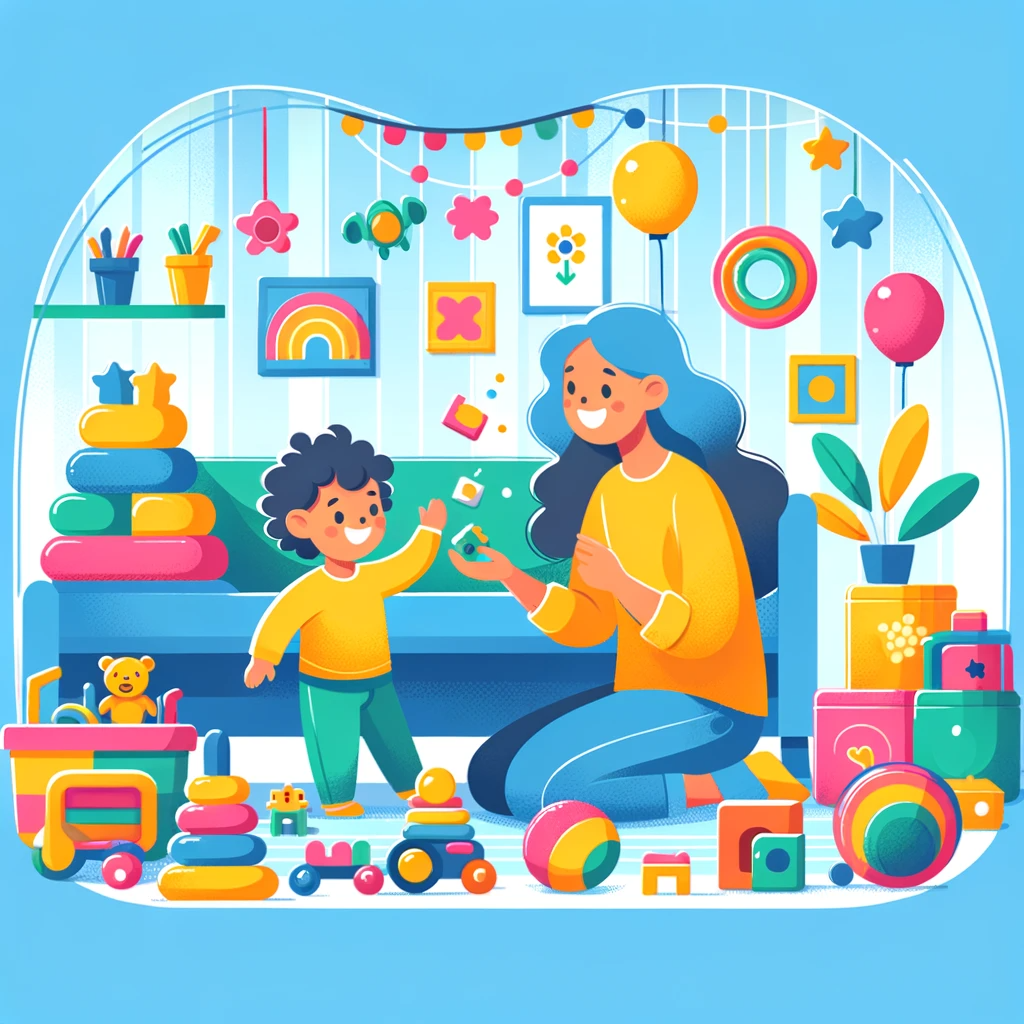
- Create a Play-Friendly Environment: Dedicate a space where your child can play without restrictions. Fill it with diverse toys and materials that encourage creativity.
- Be Part of Their Play: Sometimes, join in their games. It shows that you value their interests and support their creativity.
- Freedom in Play: Let children lead their playtime. This fosters independence and confidence.
The Role of Technology in Play
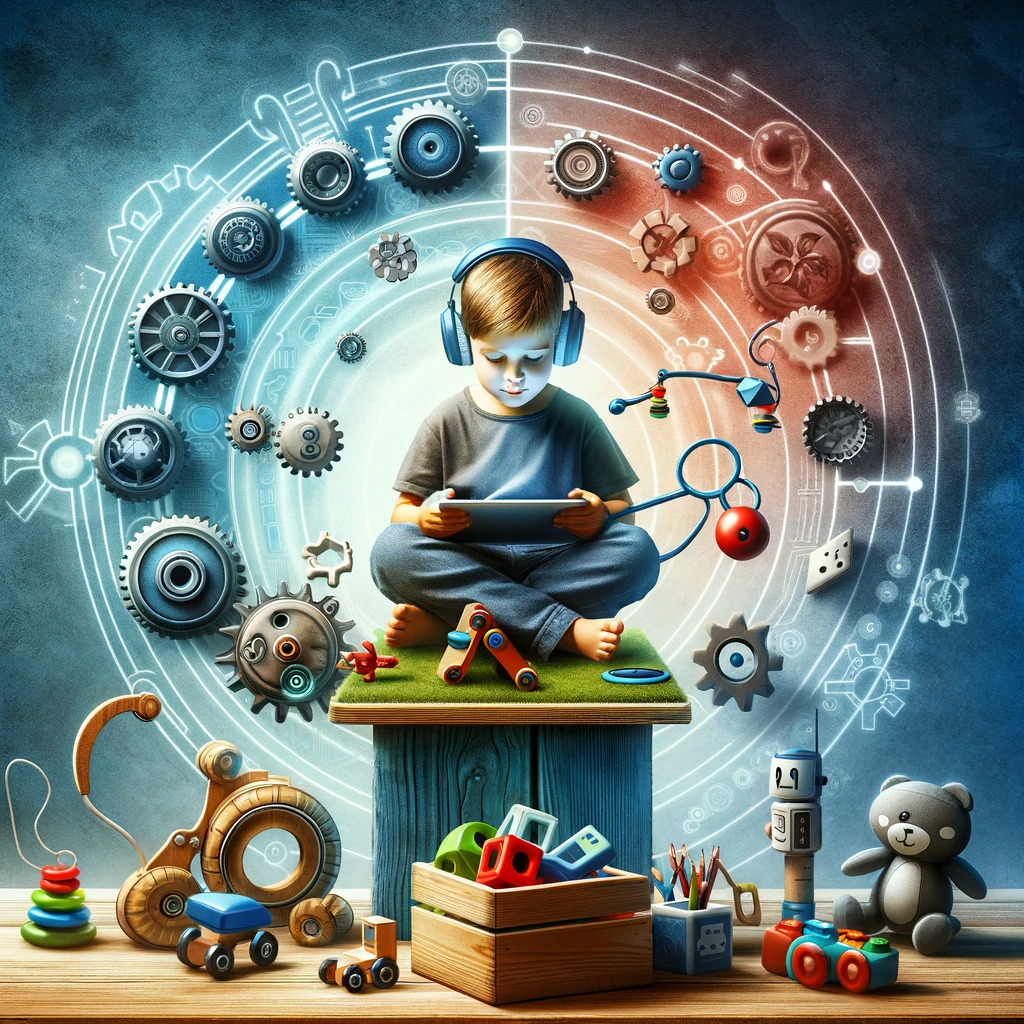
In today’s digital age, technology is a part of children’s play. While educational apps and games can be beneficial, they shouldn’t replace physical play.
Striking a balance is key. Encourage traditional play to develop physical skills and social interactions, and use technology for enhancing cognitive skills.

Play and Social Development
Play is where children learn to interact with others. Through activities like team sports or simple playground games, they learn vital social skills such as sharing, negotiating, and empathy. Parents can facilitate this by arranging playdates or encouraging group activities.
A Personal Perspective on Playtime
As a mother, I’ve experienced firsthand the challenges of juggling the demands of daily life while ensuring my child gets the quality playtime she deserves. I understand that finding the time and energy to keep up with a child’s play can be daunting. That’s why I’ve found a routine that works for us, which might inspire other busy parents.
Each morning, before the day’s chaos unfolds, I dedicate time exclusively for play. This is our special moment, a time when my daughter has my undivided attention, and we delve into her world of imagination and fun. It’s a beautiful way to start our day, filled with laughter and learning, even if it is not for very long.
In the evenings, regardless of how hectic the day has been, we have another sacred ritual – reading a bedtime story. This not only fosters her love for reading but also ensures she ends her day feeling loved and valued. These moments are precious; they’re our daily windows of connection, away from the rest of the world.
I believe that it’s not about the quantity but the quality of time we spend with our children. These consistent, dedicated slots reassure my daughter that she’s a priority in my life, and through these activities, we strengthen our bond. It’s a gentle reminder for all parents that amidst our busy schedules, we can always find even small ways to nurture our children’s need for play and connection.
In essence, play is a fundamental aspect of childhood that goes beyond mere entertainment. It’s a critical part of a child’s development, influencing everything from their cognitive skills to their emotional well-being. As parents and caregivers, recognizing and nurturing this can make a significant difference in their growth and happiness.



 Sonia M. Rompoti, MSc, Bsc
Leave a comment