


As the New Year is here, it’s an excellent time for children to learn about setting and achieving goals. New Year’s resolutions are more than just a tradition; they are a fun and educational opportunity for kids to develop important life skills. Through this process, children can learn about goal-setting, self-discipline, and the value of setting personal objectives.
This article aims to guide parents and guardians in helping their kids make and keep meaningful New Year’s resolutions.
Understanding the Concept of Resolutions
Resolutions are promises we make to ourselves to improve or accomplish something in the New Year. For children, understanding this concept is the first step. Explain resolutions in simple terms, relating them to everyday tasks or goals they already understand. Discuss the importance of setting realistic and achievable goals, emphasizing that resolutions are a way to grow and learn. This discussion sets a positive foundation for children to start thinking about their own resolutions.
Involving Kids in the Process
The key to successful resolutions for kids is to involve them actively in the process. Encourage them to think about what they would like to achieve or improve. It could be anything from learning a new skill, getting better at a sport, or being more helpful at home. Guide them to choose goals that are age-appropriate and attainable. Younger children may need more guidance, whereas older kids can be encouraged to think more independently.

Setting SMART Goals
Teach children to set SMART goals: Specific, Measurable, Achievable, Relevant, and Time-bound. For example, instead of a vague resolution like “I want to be better at math,” guide them to a more specific goal like “I will practice math for 20 minutes every day.” This approach makes goals more tangible and easier to manage.
Creating a Plan of Action
Once the goals are set, help your child develop a plan of action. This plan should include clear steps and a timeline. For instance, if the goal is to read more books, the plan might include a schedule for library visits and a list of books they want to read. Encourage them to track their progress, which can be a motivating and rewarding part of the process.

Crafting a Vision Board for Inspiration
In addition to setting resolutions, creating a vision board can be a fun and effective way for kids to visualize their goals. A vision board is a collage of images, phrases, and items that represent the child’s aspirations for the New Year. Here’s how to get started:
- Gather Supplies: You’ll need a poster board or corkboard, magazines, printouts, stickers, markers, glue, and scissors. Encourage your child to think creatively and use items that are meaningful to them.
- Set the Ambiance: Make the activity enjoyable by setting up a comfortable workspace. Play some background music or prepare some snacks to create a fun and relaxed atmosphere.
- Brainstorm and Plan: Before cutting and pasting, have your child think about what they want to achieve in the New Year and how they can represent these goals visually. Goals can be anything from improving a skill to personal growth or academic achievements.
- Create the Vision Board: Let your child cut out pictures and words from magazines or print them from the internet. They can then arrange these on their board in a way that feels right to them. Encourage them to add their own drawings or writings to make it more personal.
- Find the Perfect Spot: Once the vision board is complete, help your child find a place in their room where they will see it often. This visual reminder of their goals can serve as daily inspiration and motivation.
Remember, the key to a successful vision board is that it should be a fun and creative process for the child. It’s a visual representation of their dreams and goals, and there’s no right or wrong way to create it.
Offering Support and Encouragement
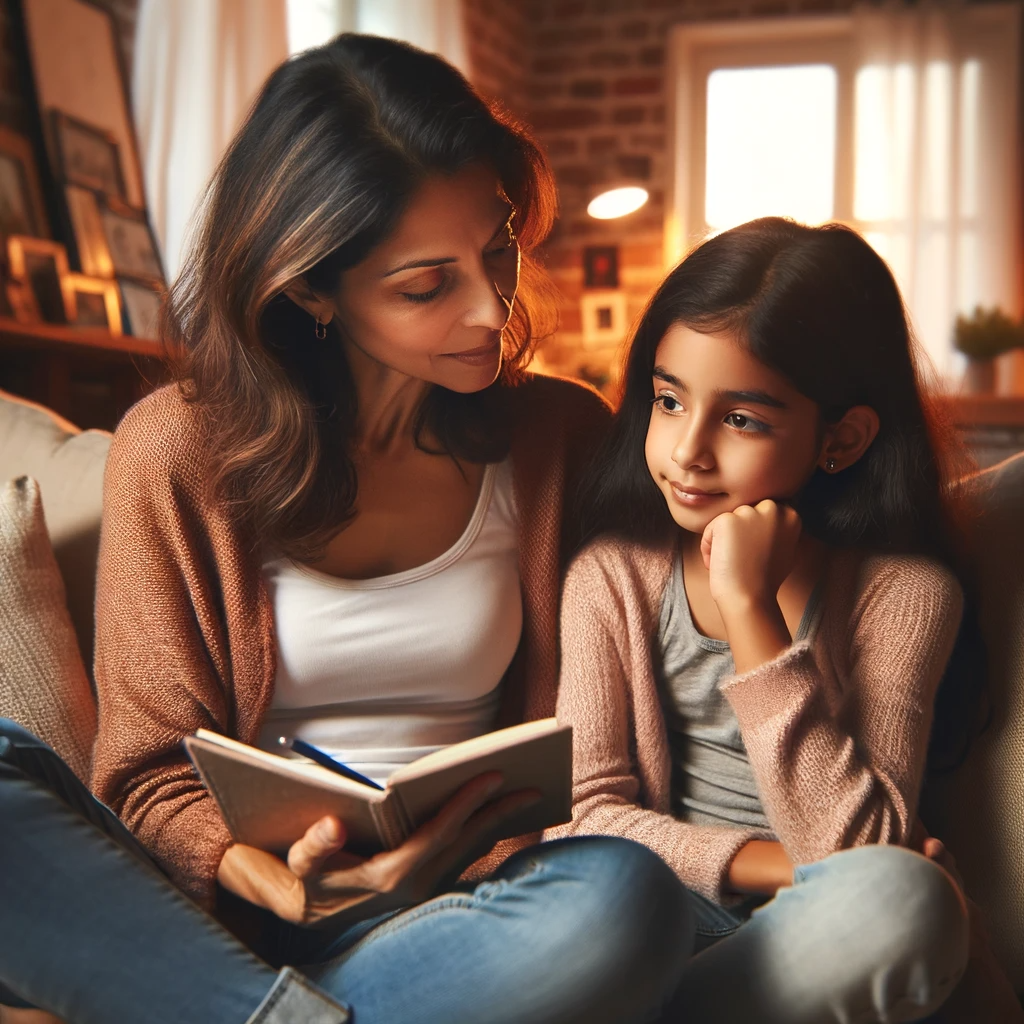
As a parent or guardian, your role is to offer support and encouragement. Praise their efforts, not just their achievements. If they face setbacks, help them see these as learning opportunities. Regular check-ins on their progress can also be beneficial, but remember to keep the tone positive and encouraging.
Learning from the Experience
Finally, emphasize the learning aspect of setting and achieving goals. Whether the resolutions are fully achieved or not, there is value in the effort and the experience. Encourage reflection on what worked, what didn’t, and how they can use this knowledge in the future.
Personal Reflections and Plans with My Daughter
As a psychologist and a solo mother, I deeply understand the importance of goal setting in a child’s development. Resolutions are more than just a New Year’s tradition; they are opportunities for growth, learning, and bonding. This year, as I embark on this journey with my daughter, I plan to focus on the essence of these resolutions – not just as goals to be achieved, but as stepping stones in her journey of personal development.
Together, we will sit down and discuss what goals she wants to set for herself. I intend to make this conversation as open and encouraging as possible, ensuring that these resolutions reflect her own desires and interests. My role will be to guide and support, not to dictate. We’ll use the SMART goals framework to give structure to her aspirations, making them more achievable and understandable for her young mind.
Moreover, we will work on a vision board together. This activity will not only be a fun and creative exercise but will also serve as a visual reminder of her goals. We will use Pinterest and Canva (desktop wallpaper size) to create a whole collage of images that represent her goals and hold special meaning for her.
I believe this will help her stay motivated and focused. It’s also a great way to spend quality time together, engaging in an activity that fosters creativity and expression.
Most importantly, throughout this process, my focus will be on the lessons we can learn together, regardless of the outcomes. Whether she meets all her resolutions or not, the key takeaway will be the learning and experiences gained along the way. I want to teach her that it’s okay to strive for goals and not always reach them, as long as we learn and grow from the experience.
This New Year, it’s not just about the resolutions we set; it’s about the journey we take to achieve them and the growth we experience along the way. I look forward to sharing this journey with my daughter, guiding her, learning with her, and most importantly, growing together.
Helping children set and achieve New Year’s resolutions is a wonderful way to teach them about goal-setting, perseverance, and personal growth. By guiding them through the process, offering support, and celebrating their efforts, you are not only helping them achieve their immediate goals but also equipping them with skills that will serve them well throughout their lives.



 Sonia M. Rompoti, MSc, Bsc
Leave a comment