


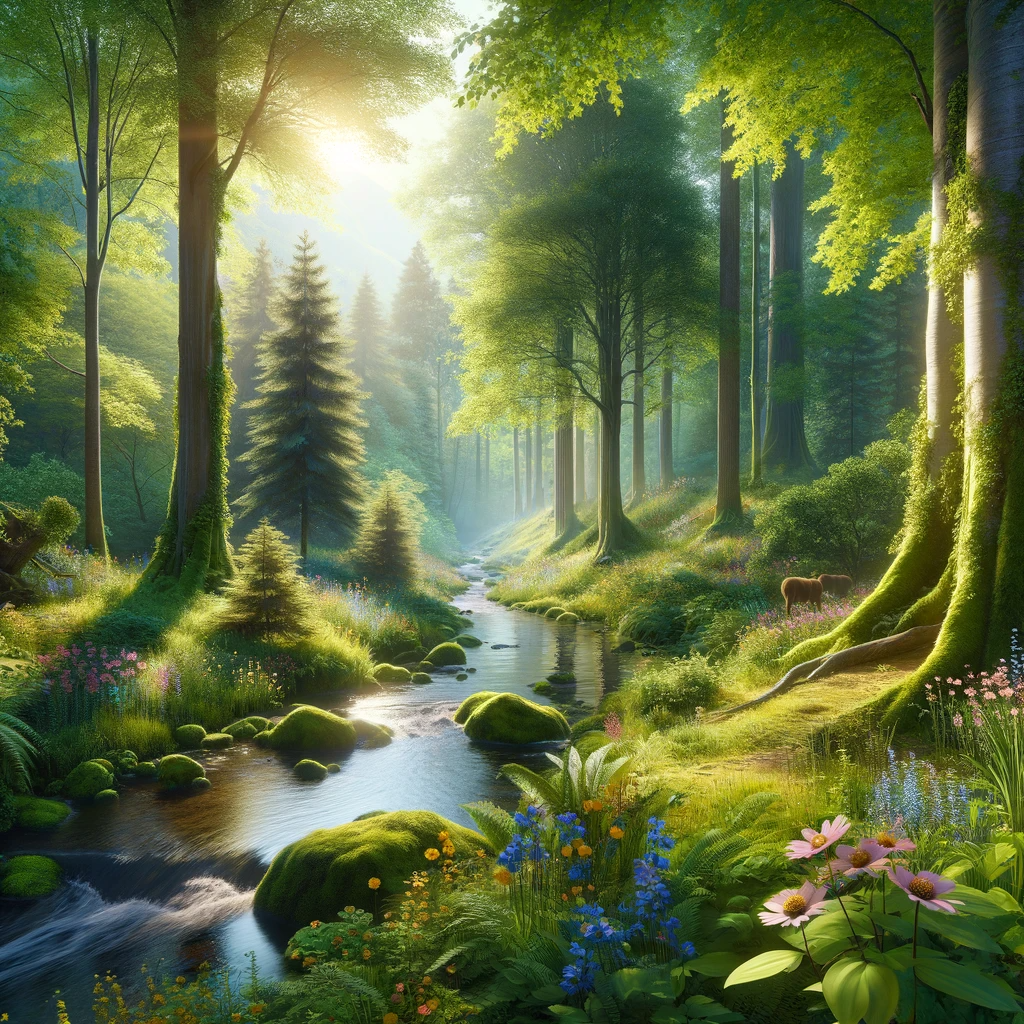
In the contemporary world, where urban landscapes and digital realms dominate, the calming embrace of nature often remains underappreciated. However, emerging research in psychology and environmental studies underscores the profound impact that nature has on our mental health.
This article explores how the tranquility of natural environments can soothe the mind, foster well-being, and act as a powerful ally in mental health care.

The Psychological Impact of Nature
1. Stress Reduction
Studies consistently show that spending time in nature significantly lowers stress levels. Natural settings trigger a reduction in cortisol, the body’s primary stress hormone, promoting relaxation and reducing anxiety. This effect is so pronounced that even viewing scenes of nature in photographs or videos can induce a calming effect.
2. Enhancement of Mood and Well-being
Regular exposure to nature is linked with enhanced mood and overall well-being. The serene ambiance of green spaces facilitates a sense of peace and contentment, combating feelings of depression and lethargy. This is particularly significant in the context of urban living, where natural landscapes are often scarce.
3. Cognitive Benefits
Nature also offers cognitive benefits. Research indicates that spending time outdoors improves attention, memory, and cognitive flexibility. Natural environments provide a respite from the overstimulating urban settings, allowing the mind to relax, rejuvenate, and restore its focus.
4. Social Interactions and Community Bonding
Outdoor activities often involve social interactions, whether it’s a family hike, a community garden, or a group exercise class in the park. These activities foster a sense of community and belonging, which are crucial for mental health.
Practical Ways to Integrate Nature into Daily Life
- Regular Walks in Parks: Even short walks in nearby parks or green spaces can have significant benefits.
- Weekend Nature Excursions: Planning weekend trips to natural reserves, beaches, or mountains can provide a deeper connection with nature.
- Urban Gardening: Engaging in gardening, even in urban settings, can offer a sense of nature’s rhythm and growth.
- Mindfulness and Meditation in Natural Settings: Practicing mindfulness or meditation in natural environments enhances the experience and benefits.
Conclusion
The evidence is clear: nature is not just a luxury but a necessity for mental well-being. As our world becomes increasingly urbanized, it’s crucial to remember the healing power of the natural world. Whether it’s a walk in the park, a trip to the countryside, or simply sitting under a tree, nature offers a simple yet profound remedy to the complexities of modern life.



 Sonia M. Rompoti, MSc, Bsc
Leave a comment