


Have you ever noticed feeling a bit more down during the winter months? As the days get shorter and the sunlight becomes scarce, many of us might find our moods dipping. This isn’t just a case of the ‘winter blues’; for some, it’s a condition known as Seasonal Affective Disorder (SAD).
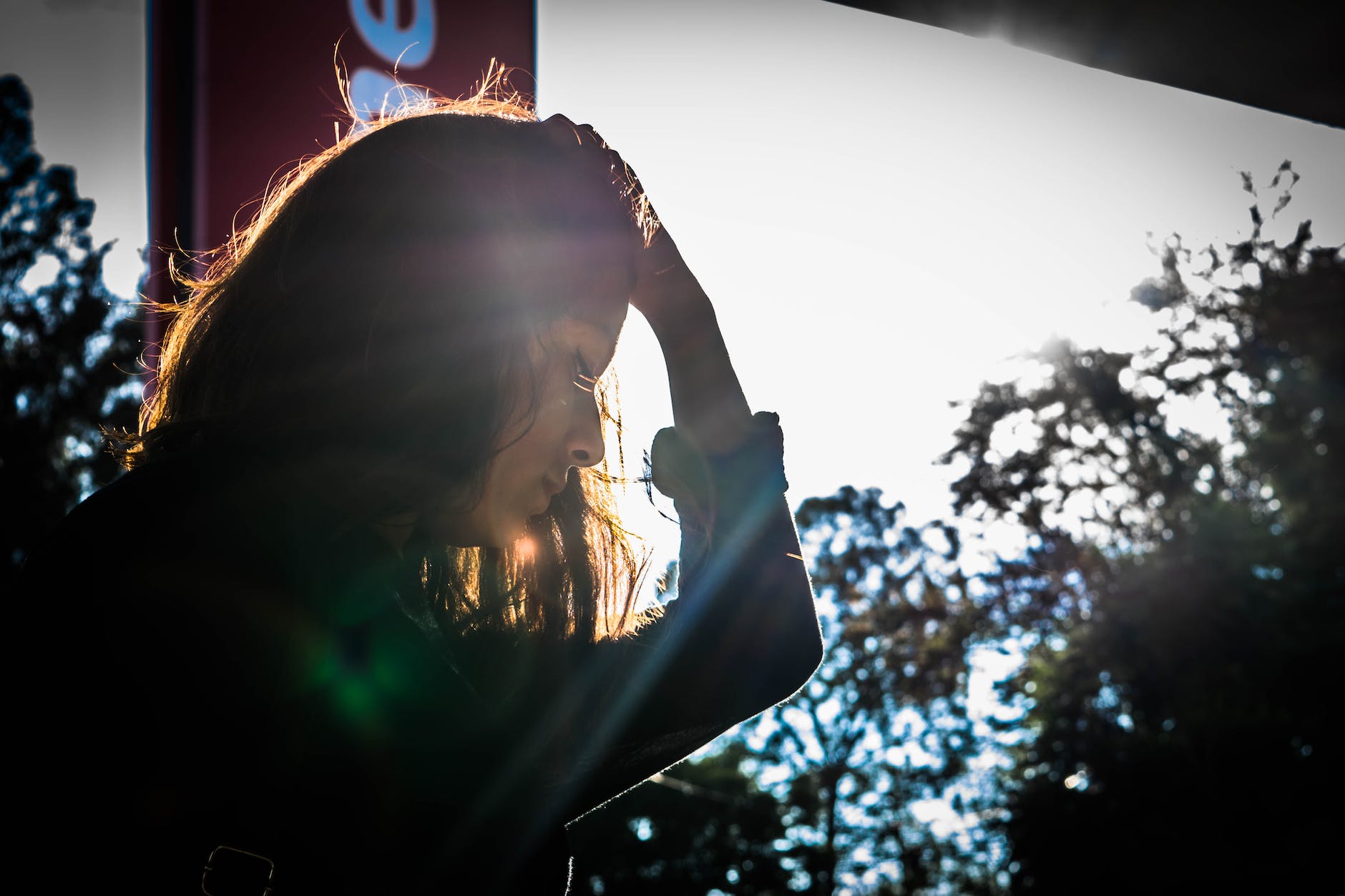
Today, on Mental Health Monday, let’s delve into what SAD is, how it affects our lives, and what we can do to manage it. Remember, if you’re struggling with SAD, you’re not alone, and there are ways to cope and find support.
Understanding Seasonal Affective Disorder
Seasonal Affective Disorder is a type of depression that typically occurs during the fall and winter months when natural sunlight is reduced. Common symptoms include persistent low mood, loss of interest in usual activities, fatigue, and changes in sleep patterns. While the exact causes of SAD are still being studied, it’s believed to be linked to a decrease in sunlight, which can disrupt our body’s internal clock and lead to reduced levels of serotonin, a brain chemical that affects mood. Interestingly, SAD is more prevalent in countries far from the equator, and it tends to affect more women than men.
Does this remind you of someone?
Consider Anna, a graphic designer who loves hiking and socializing. As winter sets in, Anna finds herself feeling unusually lethargic and irritable. She struggles to concentrate at work and withdraws from her social activities. Initially dismissing it as just stress, Anna soon realizes that her mood shifts align with the changing seasons – a classic case of Seasonal Affective Disorder. Anna’s story is not unique; it mirrors the experiences of many who face SAD every year.
Strategies to Manage SAD
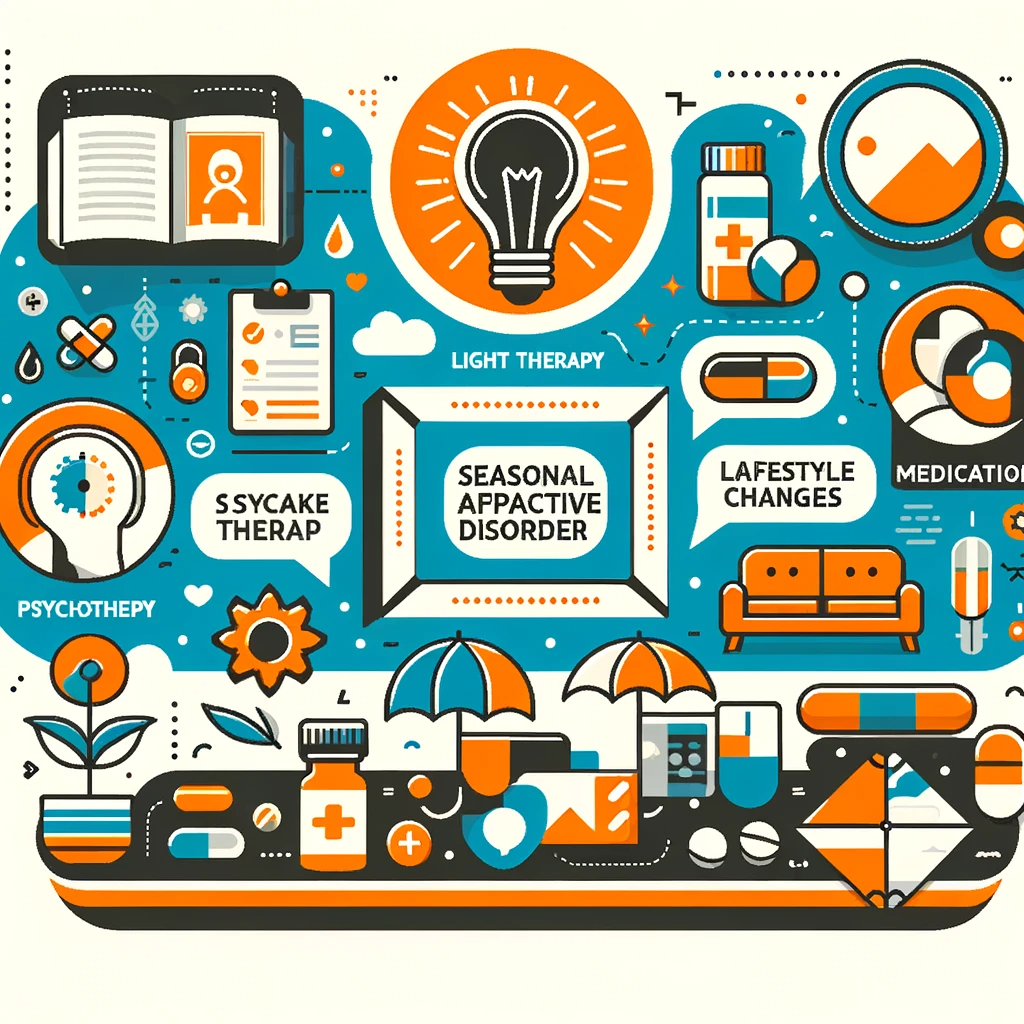
One effective treatment for SAD is light therapy, which involves sitting near a light box that mimics natural outdoor light. It’s believed to cause a chemical change in the brain that lifts mood and eases other symptoms.

For those like Anna, who find the winter months particularly challenging, psychotherapy, especially cognitive-behavioral therapy (CBT), can be beneficial. CBT helps in identifying and changing negative thought patterns and behaviors that may be contributing to feelings of depression.
In some cases, medication, such as antidepressants or Vitamin D supplements, may be recommended by a healthcare provider. Additionally, lifestyle modifications can play a crucial role in managing SAD. Regular exercise, maintaining a healthy diet, maximizing exposure to natural light, and staying connected with loved ones can help alleviate symptoms.
Support and Resources
If you think you might be experiencing SAD, consider reaching out to a mental health professional for guidance. Many communities offer support groups and counseling services specifically for those dealing with SAD. Online resources, including informative websites and online therapy platforms, can also be a valuable source of support and information.
Final Thoughts
In conclusion, while Seasonal Affective Disorder can be challenging, understanding its impact and exploring various management strategies can make a significant difference. Remember, seeking help is a sign of strength, not weakness, and there are many resources available to support you through the darker months.



 Sonia M. Rompoti, MSc, Bsc
Leave a comment