


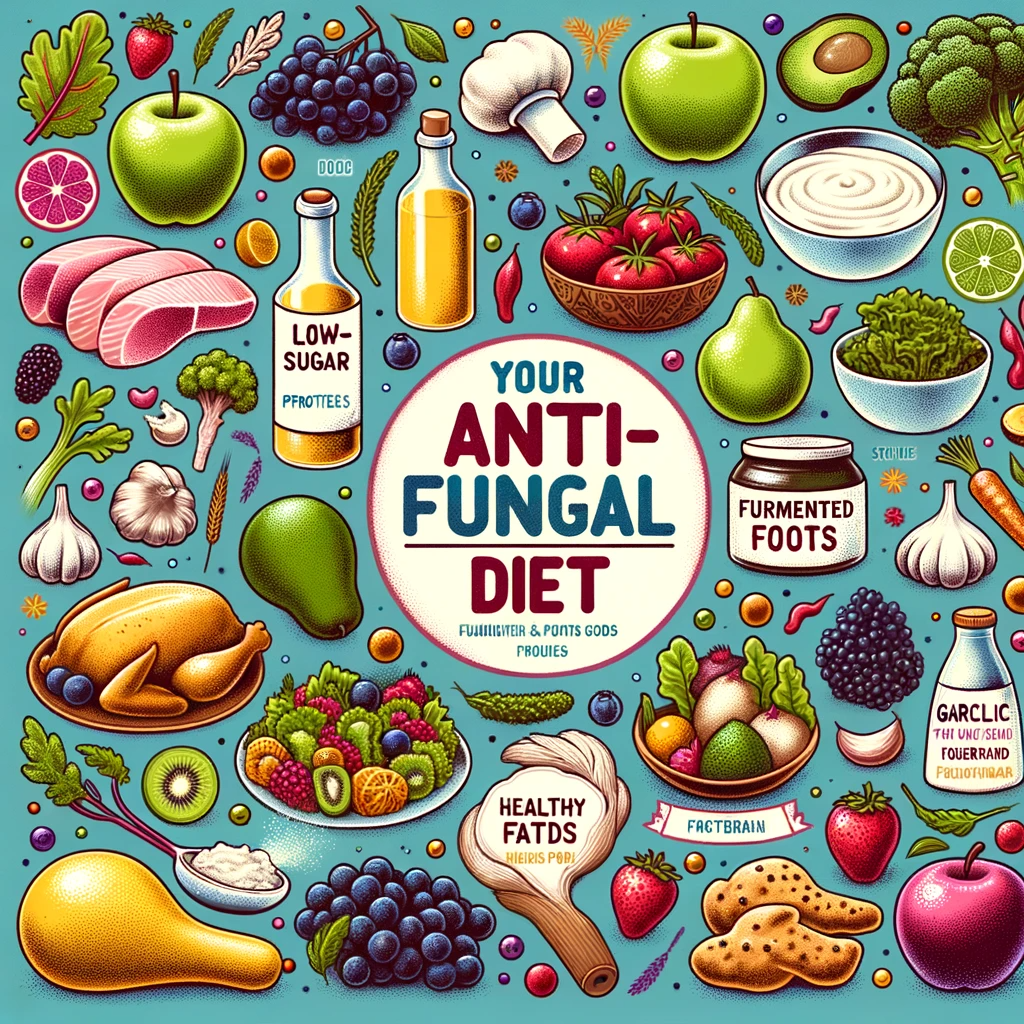
The anti-fungal diet is gaining attention as a means to promote overall health and wellness. While commonly recommended for individuals battling fungal infections like candidiasis, this diet’s potential benefits extend beyond treating specific health issues. It focuses on reducing the intake of foods that may promote fungal growth within the body, thus contributing to a healthier gut flora and overall well-being.
Principles of the Anti-Fungal Diet
The core principle of this diet is to reduce sugar and refined carbohydrates, as these are known to feed yeast and fungi in the gut. It also involves increasing the intake of foods with natural anti-fungal properties.
Key Components:
- Low Sugar Fruits: Berries, green apples, and avocados are preferred over high-sugar fruits.
- Lean Proteins: Emphasize chicken, fish, eggs, and plant-based proteins.
- Healthy Fats: Include olive oil, coconut oil, and avocados for their anti-fungal properties.
- Fermented Foods: Yogurt, kefir, and sauerkraut can promote healthy gut bacteria.
- Vegetables: Most non-starchy vegetables are encouraged.
- Nuts and Seeds: Opt for almonds, flaxseeds, and chia seeds.
- Herbs and Spices: Garlic, turmeric, and ginger are known for their anti-fungal and anti-inflammatory properties.
Benefits for Individuals Without Health Issues
For those without specific fungal issues, adhering to an anti-fungal diet can still offer numerous benefits.
Improved Gut Health
By reducing sugar and processed foods, the diet encourages a balance of gut flora, which is crucial for digestion, nutrient absorption, and immune function.
Enhanced Immunity
A diet rich in nutrients and low in processed foods can strengthen the immune system, making the body more resilient against infections.
Weight Management
This diet naturally steers away from high-calorie, processed foods, aiding in maintaining a healthy weight.
Increased Energy Levels
Stabilizing blood sugar levels through a balanced diet can lead to more consistent energy levels throughout the day.
Tips and Tricks for Implementing the Diet
- Start Gradually: Shift to the anti-fungal diet slowly to avoid overwhelming changes.
- Read Labels: Be vigilant about hidden sugars in packaged foods.
- Meal Planning: Prepare meals in advance to avoid reaching for convenient, processed options.
- Stay Hydrated: Drinking plenty of water is essential for flushing out toxins.
- Experiment with Recipes: Use a variety of herbs and spices to make meals flavorful and enjoyable.
Further Reading
For those eager to delve deeper into the principles and benefits of an anti-fungal diet, a highly recommended starting point is the book “Self Heal By Design- The Role Of Micro-Organisms For Health” by Barbara O’Neill. This insightful read offers a comprehensive exploration of how micro-organisms, particularly within our gut, play a pivotal role in our overall health. O’Neill’s book not only aligns with the foundational concepts of the anti-fungal diet but also expands on them, providing a broader understanding of the intricate relationship between diet, gut health, and well-being. Her practical and evidence-based approach makes this book an invaluable resource for anyone looking to enhance their health through dietary choices. It was this very book that sparked my interest in the anti-fungal diet, offering both foundational knowledge and inspiring real-life implications of adopting such a lifestyle.
Final Thoughts
The anti-fungal diet, with its focus on whole, nutrient-dense foods and the reduction of sugars and processed items, can be beneficial even for individuals without specific fungal infections. By promoting gut health, enhancing immunity, aiding in weight management, and increasing energy levels, this diet offers a holistic approach to health that aligns with a proactive wellness lifestyle.



 Sonia M. Rompoti, MSc, Bsc
Leave a comment