


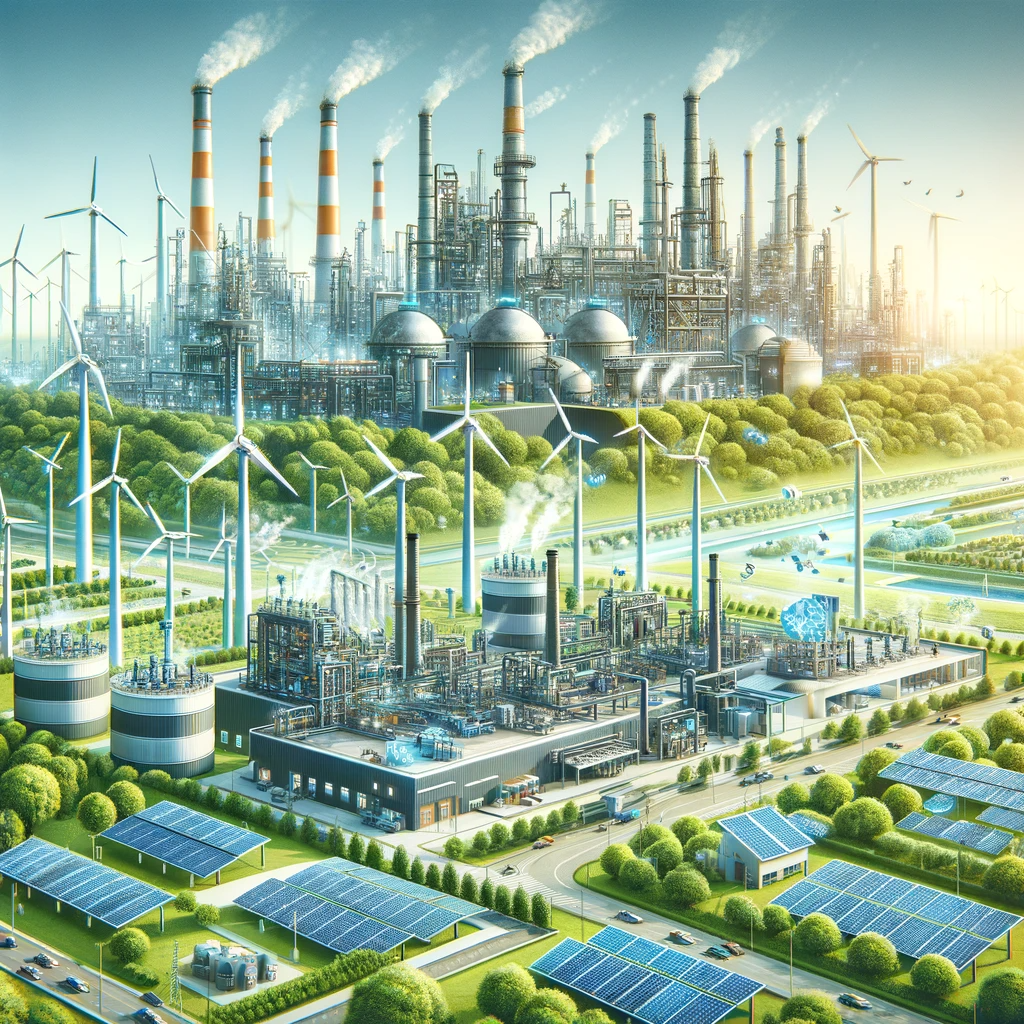
The industrial sector, historically known for its substantial environmental footprint, is undergoing a transformative shift toward sustainability. This evolution is not just a response to increasing environmental regulations, but also a strategic adaptation to changing market demands and the growing necessity for long-term ecological responsibility.
The Rise of Sustainable Practices in Industry
Sustainability in the industrial sector involves a multifaceted approach, including reducing emissions, conserving resources, and adopting clean energy. Industries are integrating innovative technologies such as renewable energy sources, energy-efficient processes, and sustainable materials to minimize their environmental impact.
Renewable Energy Adoption: A key aspect of this shift is the increasing reliance on renewable energy sources like solar, wind, and hydroelectric power. These alternatives to fossil fuels not only reduce carbon emissions but also offer long-term cost savings and energy security.
Resource Efficiency and Waste Reduction: Industries are also focusing on resource efficiency, which involves optimizing the use of materials and energy to reduce waste. This is achieved through recycling, reusing materials, and improving process efficiency. Such practices not only benefit the environment but also enhance the economic viability of industrial operations.
Regulatory Influence and Market Dynamics
Government regulations and policies play a crucial role in guiding industries towards sustainability. Incentives for renewable energy use, penalties for pollution, and mandates for waste management are some examples. Additionally, there is a growing market preference for sustainable products, pushing industries to adapt to consumer demands.
Technological Innovations Driving Sustainability
Advancements in technology are at the forefront of the industrial sustainability movement. This includes developments in renewable energy technologies, energy-efficient machinery, and sustainable materials. Innovations like carbon capture and storage (CCS) are also emerging as vital tools in reducing greenhouse gas emissions.
Challenges and Opportunities
The path to industrial sustainability is not without challenges. High initial investment costs, technological limitations, and resistance to change are significant hurdles.
However, these challenges also present opportunities for innovation, economic growth, and leadership in sustainable practices.
Case Studies of Successful Sustainability Integration
Several industries have already made remarkable strides in sustainability. For example, the automotive industry is increasingly adopting electric vehicles (EVs) and sustainable manufacturing processes. Similarly, the construction sector is utilizing green building materials and energy-efficient designs.
The Role of Stakeholders
Achieving sustainability in the industrial sector requires the collaboration of various stakeholders, including governments, industries, consumers, and environmental groups. Each plays a unique role in promoting sustainable practices and creating a regulatory and economic environment conducive to ecological responsibility.
Final Thoughts
The industrial shift toward sustainability is not just a trend but a necessary evolution in response to environmental challenges and market dynamics. By embracing sustainable practices, industries are not only contributing to environmental conservation but are also positioning themselves for long-term success in a rapidly changing global economy.
It is essential for all stakeholders to actively participate in and support the industrial transition to sustainability. This includes advocating for favorable policies, making sustainable choices as consumers, and industries continually innovating and investing in sustainable practices.



 Sonia M. Rompoti, MSc, Bsc
Leave a comment