


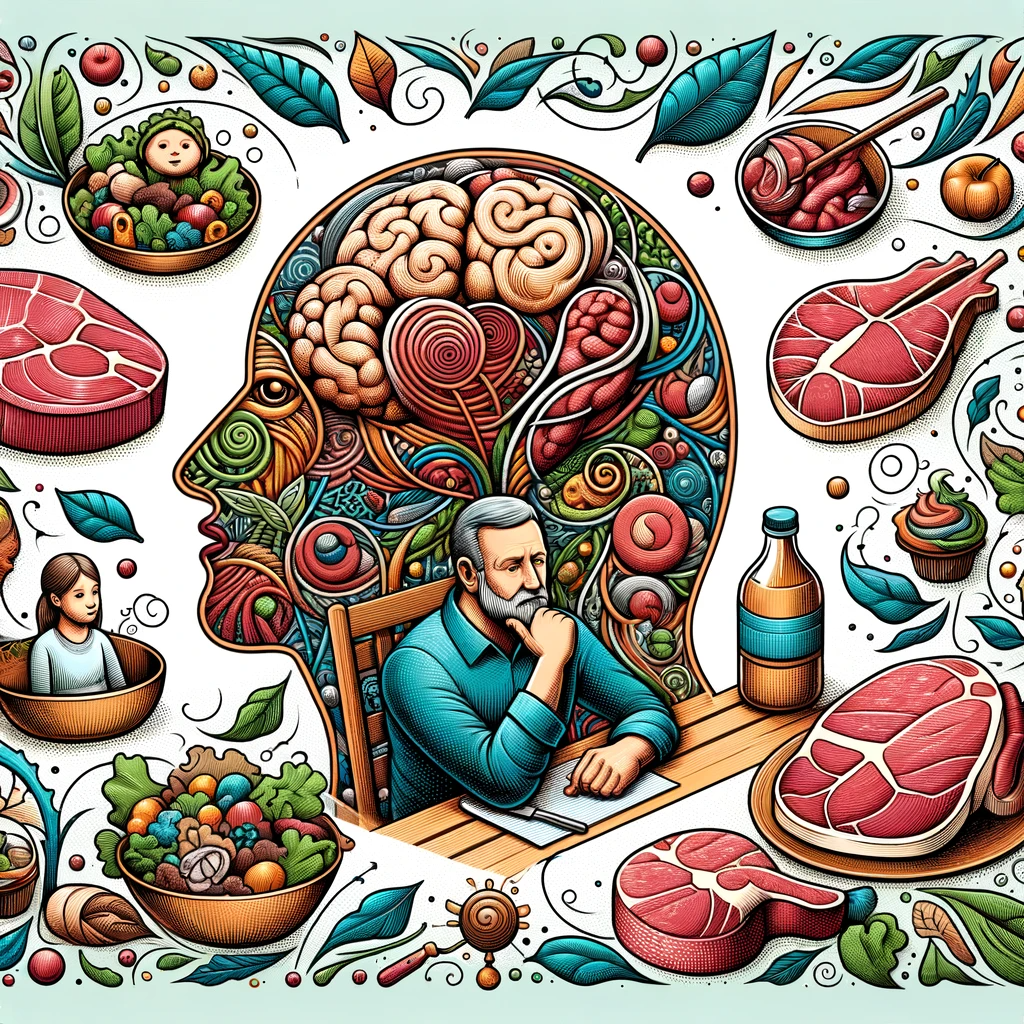
My journey with meat consumption has always been a personal one, tinged with both cultural norms and unique experiences. Growing up, meat was not just a dietary staple but a centerpiece of culinary traditions in my family.
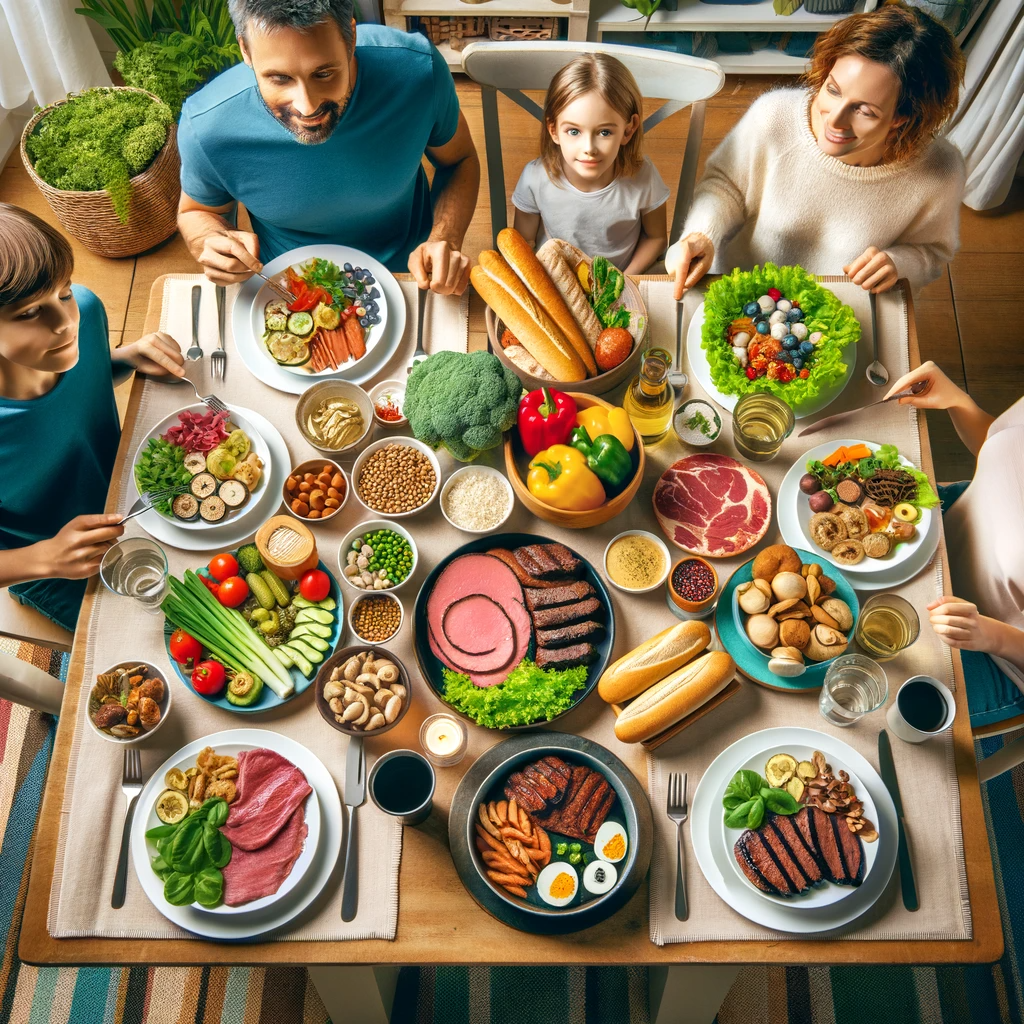
However, my relationship with meat took a fascinating turn during my pregnancy. In a twist of fate, my daughter, who has been a vegan since before she was born, seemed to react from within the womb whenever I consumed meat. This led to unexpected hospital visits and a realization that our dietary choices might be more complex and interconnected than I had ever imagined.
Now, as a meat-eater with a vegan daughter, I find myself constantly navigating the intricate web of nutritional needs, ethical considerations, and personal preferences.
Historical Context
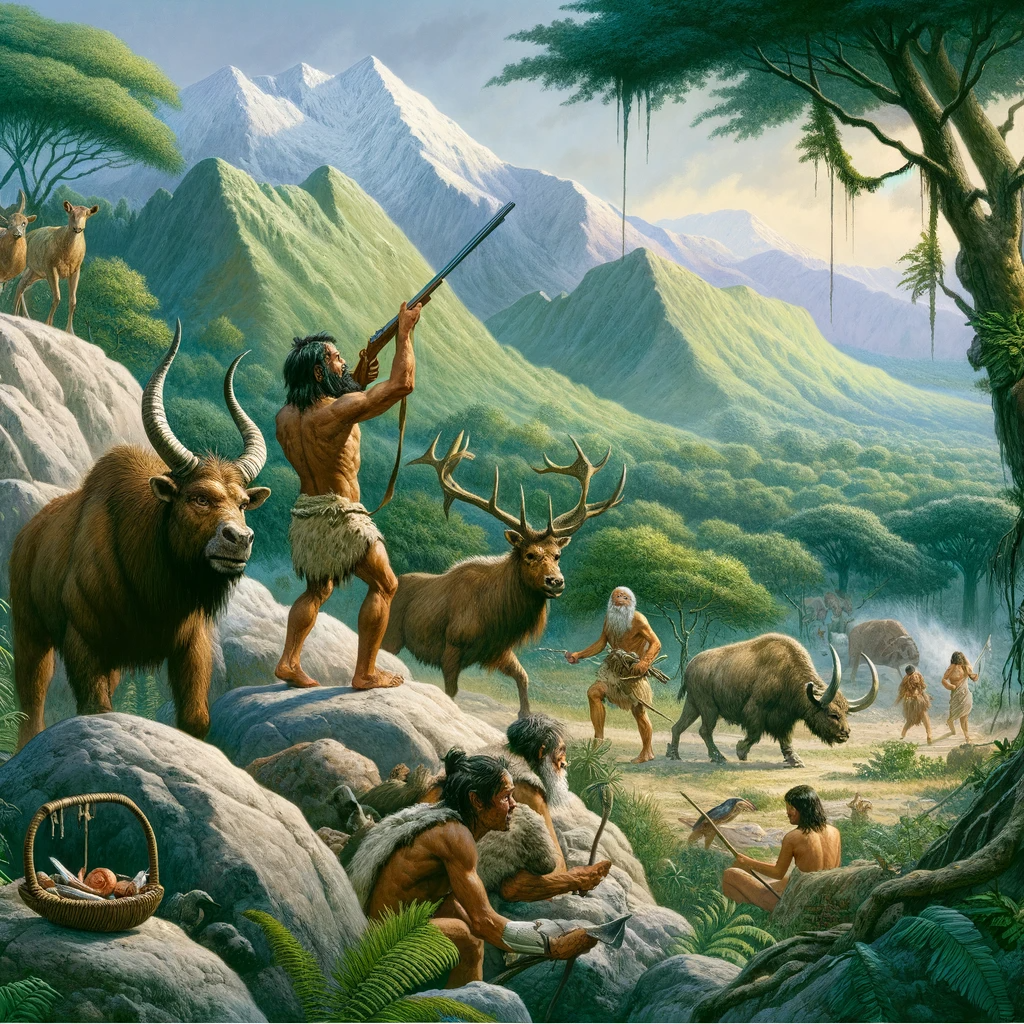
The history of meat consumption is as old as humanity itself. Our ancestors were hunters and gatherers, relying on meat for survival in harsh environments. This evolutionary aspect has deeply ingrained meat-eating in our genetic and cultural fabric.
Over centuries, various civilizations have held meat in high regard, often reserving it for the affluent or using it in celebratory feasts. However, this history is not uniform across cultures – some have thrived on largely plant-based diets, showcasing that human dietary practices are diverse and adaptable.
Nutritional Aspects

The nutritional debate surrounding meat consumption is complex. Meat provides essential nutrients like protein, iron, and vitamin B12, which are crucial for our health. However, excessive consumption, particularly of processed meats, has been linked to health concerns like heart disease and certain cancers.
Contrastingly, my daughter’s vegan diet, rich in fruits, vegetables, and grains, offers a different set of nutritional benefits, including lower risks of some chronic diseases. This juxtaposition in our household has led to fascinating dinner table discussions about balance and health.
While I enjoy the richness of flavors that meat brings to my meals, I’m increasingly mindful of its portions and the importance of diversity in my diet.
Ethical Considerations
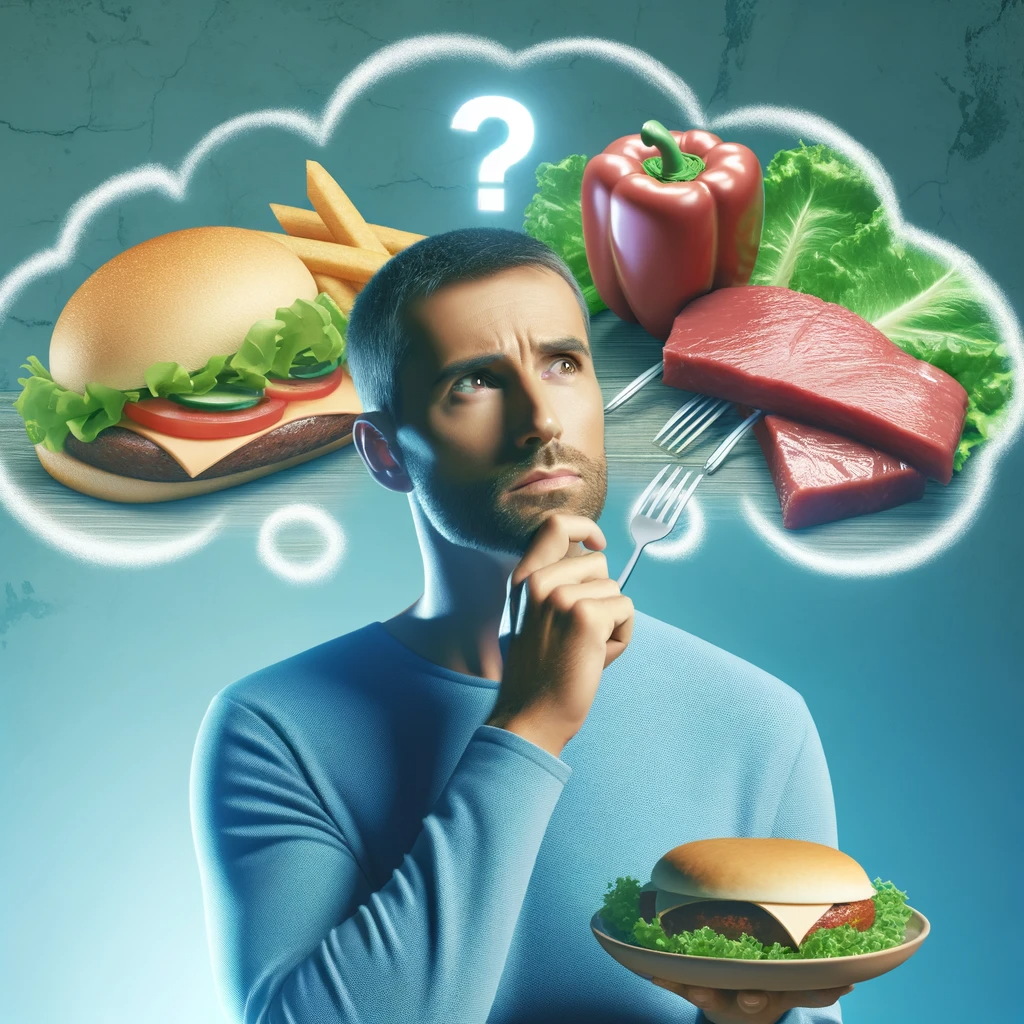
Ethics play a significant role in the conversation about meat consumption. The question of taking an animal’s life for food is a profound one, often leading to deeply personal and emotional responses.
My daughter’s choice to embrace veganism stems partly from her concerns about animal welfare. The meat industry’s practices, from factory farming to slaughter methods, have raised significant ethical questions.
As a mother, observing her conviction has made me more conscious of these issues. While I haven’t given up meat, I’ve become more selective, often opting for ethically sourced meat and considering the living conditions of the animals.
Personal Experiences and Changes
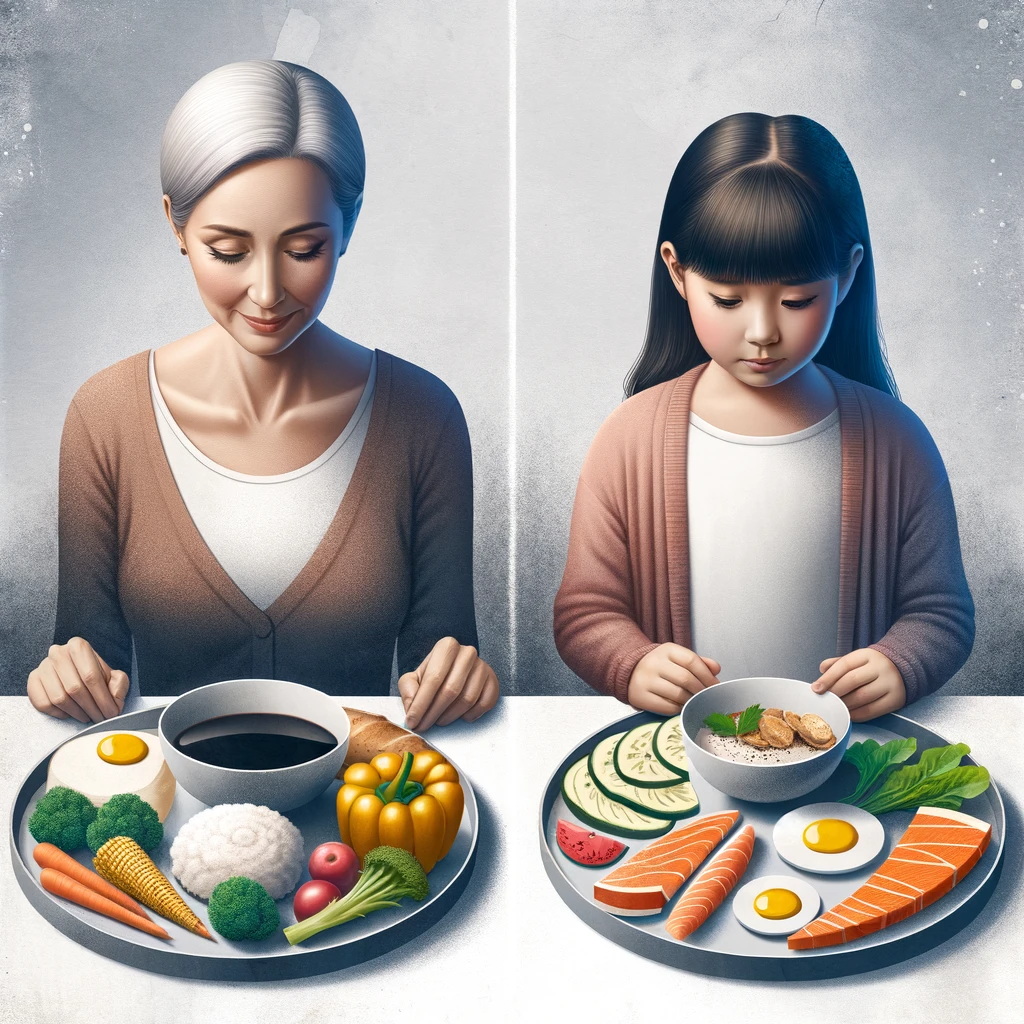
Reflecting on my own journey, meat has been more than just food; it’s been a part of family traditions and cultural identity. My daughter’s decision to become vegan while still in the womb was the first sign of how individual our food choices can be. This experience has taught me that our bodies and choices are unique and deserving of respect. Over the years, I’ve shifted from seeing meat as the main component of a meal to viewing it as one part of a diverse diet. This change has not only been a health-conscious decision but also a way to align more closely with my daughter’s ethical stance.
Societal and Environmental Impact
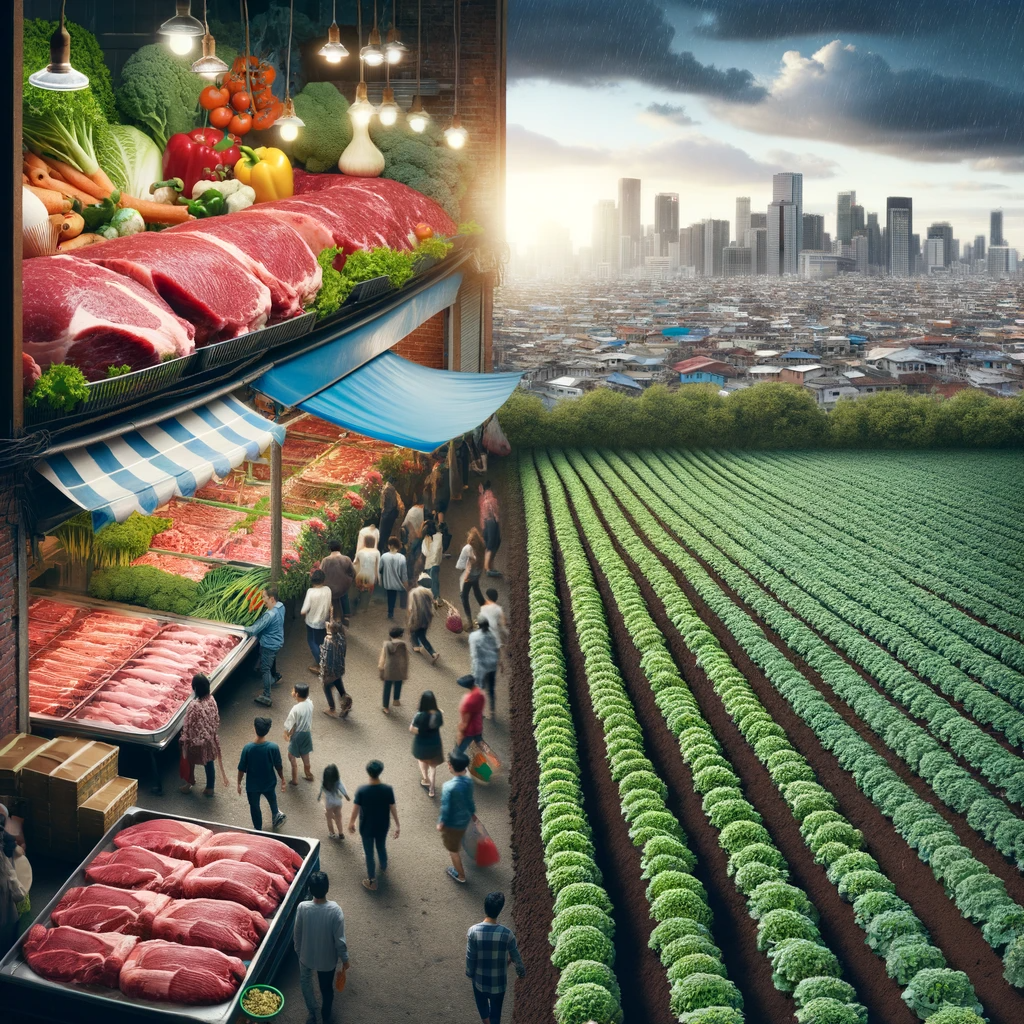
Meat’s role in society extends beyond nutrition and ethics. The meat industry is a significant economic force, providing employment and feeding billions. However, its environmental impact is undeniable. The production of meat, especially beef, contributes to deforestation, water consumption, and greenhouse gas emissions.
These environmental concerns have nudged me towards a more plant-based diet, aligning with my daughter’s veganism in ways I never anticipated. It’s a balancing act between cultural habits, economic realities, and environmental responsibilities.
Psychological Perspectives
From a psychological standpoint, our dietary choices are often influenced by a myriad of factors including culture, family traditions, and personal beliefs.
My experience with meat consumption and my daughter’s veganism highlights the role of cognitive dissonance in our food choices. While I understand the environmental and ethical implications of meat consumption, my cultural background and personal preferences still lead me to include meat in my diet. It’s a fascinating interplay between knowledge, habit, and belief systems.
Future of Meat Consumption
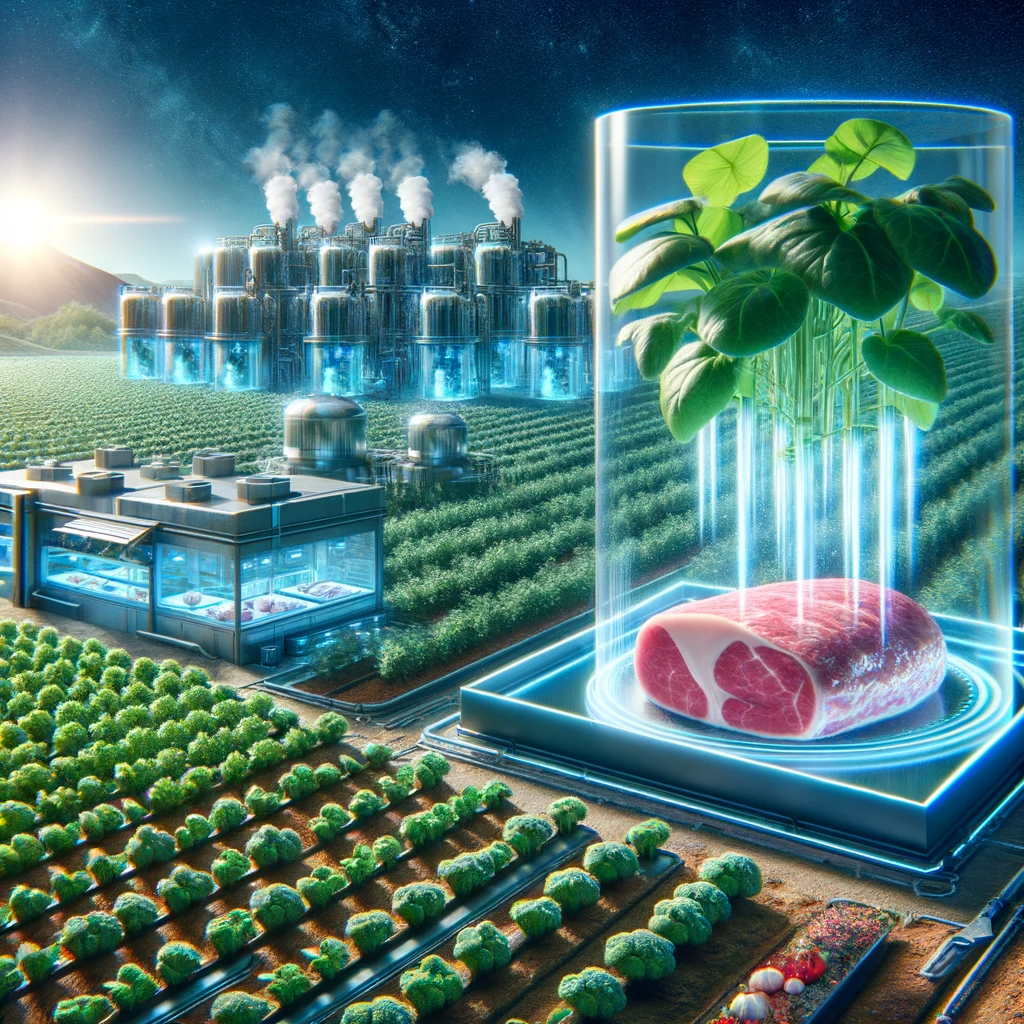
Looking ahead, the future of meat consumption is likely to be shaped by innovations like lab-grown meat and plant-based alternatives. These technologies offer the promise of meat consumption without the ethical and environmental costs.
Personally, I am curious and open to these alternatives, seeing them as a potential bridge between my dietary preferences and my daughter’s ethical choices.
Final Thoughts
In conclusion, my reflections on consuming meat are deeply personal, shaped by a blend of cultural habits, health considerations, and ethical concerns. The journey has been one of learning and adaptation, influenced significantly by my daughter’s veganism.
As we move forward, the conversation about meat consumption will continue to evolve, reflecting changes in societal values, technological advancements, and environmental needs. It is a journey that each of us navigates in our own way, making choices that resonate with our individual beliefs and circumstances.
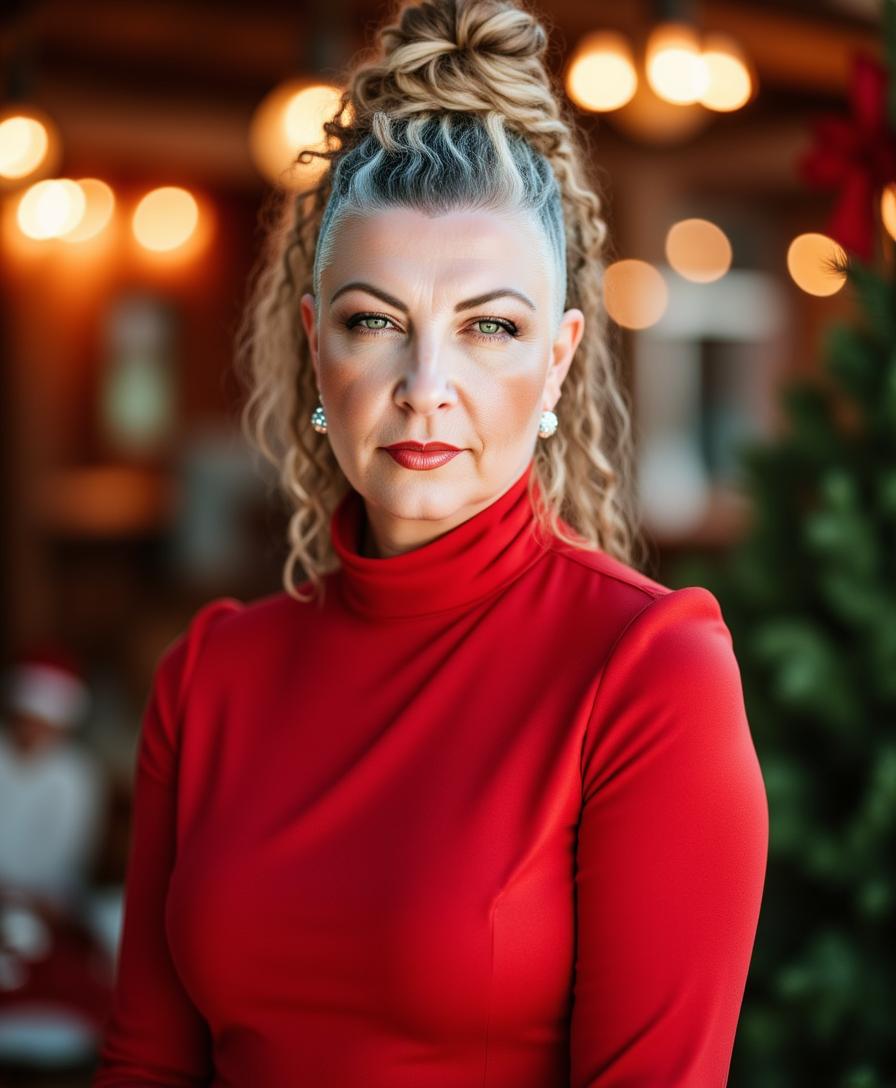


 Sonia M. Rompoti, MSc, Bsc
Leave a comment