



As the pursuit of optimal health becomes a focal point for both individuals and healthcare providers, the Oxygen Radical Absorbance Capacity (ORAC) scale has emerged as a crucial yardstick.
This scale evaluates the antioxidant potential of various substances, offering a quantitative insight into their health benefits. While the ORAC scale has received substantial attention, its implications are often not fully understood.
This comprehensive article delves into the intricacies of the ORAC scale, its significance, criticisms, and practical applications.

The Genesis of the ORAC Scale
Developed by scientists at the National Institute on Aging, part of the National Institutes of Health (NIH), the ORAC scale was introduced as a standardized method to measure the antioxidant capabilities of different foods and substances. The ORAC score is expressed in units known as ORAC units or μmol TE (micromoles of Trolox Equivalents), thereby offering an objective means of comparison.
The Biochemistry Behind Antioxidants
Antioxidants are vital molecules that scavenge free radicals—unstable molecules that can damage cellular structures through the process of oxidation. Free radicals can cause oxidative stress, which has been implicated in numerous diseases, including cardiovascular disorders, cancer, and neurodegenerative diseases like Alzheimer’s.
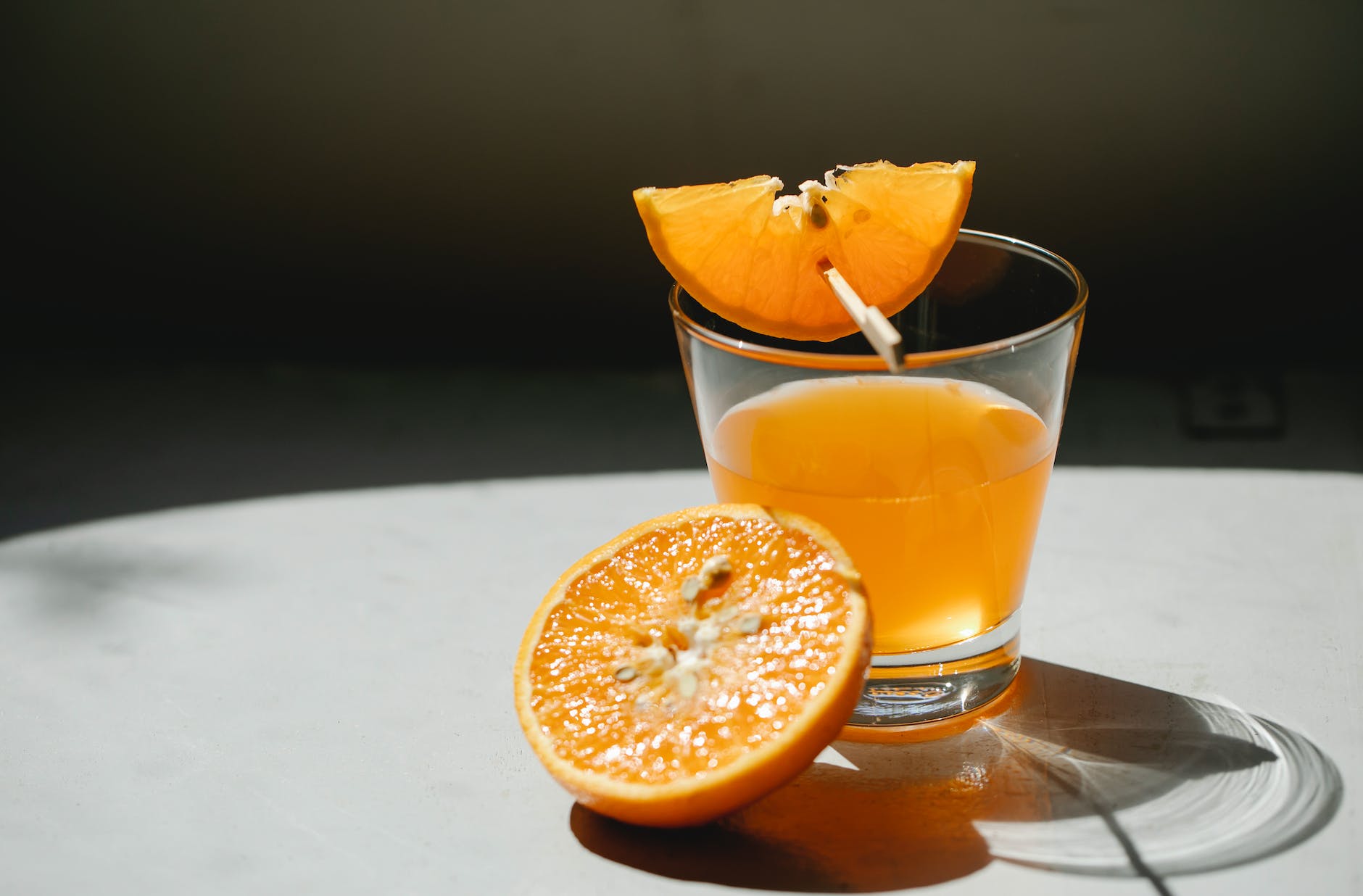
Example: Vitamin C and E
For instance, vitamins like C and E are well-known antioxidants. Vitamin C helps neutralize free radicals in the water-based sections of the body, while Vitamin E works in the lipid-based sections. This is why they are often cited together in the literature on antioxidants and are commonly found in antioxidant-rich foods like berries, nuts, and leafy vegetables.
Criticisms and Limitations
Methodological Concerns
The ORAC scale has been critiqued for its in vitro nature, meaning the tests are conducted in a lab environment rather than within living organisms. Critics argue that this doesn’t accurately reflect the biological complexities associated with the absorption, metabolism, and utilization of antioxidants.
Regulatory Skepticism
The U.S. Food and Drug Administration (FDA) and the European Food Safety Authority (EFSA) have both expressed reservations about using ORAC values as a definitive gauge of health benefits. They caution against interpreting these scores as linear indicators of health impact, highlighting the need for more in-depth research.
Real-world Applications and Examples
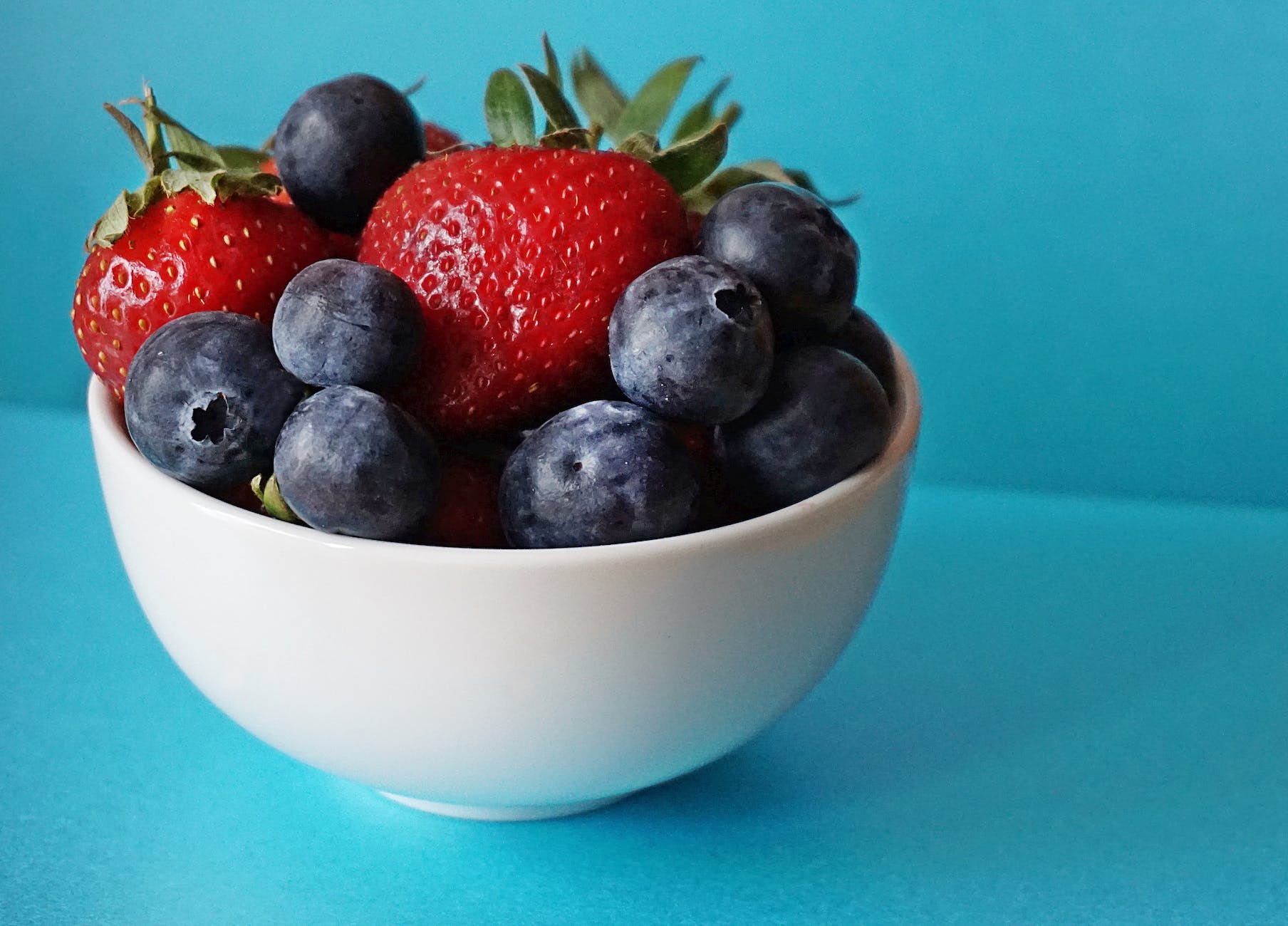
- Nutritional Guidance: Nutritionists and dieticians often refer to ORAC scores when recommending fruits like blueberries or pomegranates, which have high ORAC values, to clients who are at risk of conditions related to oxidative stress.
- Product Marketing: Companies such as juice manufacturers or supplement brands frequently showcase their products’ ORAC scores. For example, açaí berry supplements often advertise their high ORAC scores as a selling point.
- Scientific Research: Researchers investigating the effects of antioxidants on diseases like cancer often utilize the ORAC scale. Studies have, for instance, highlighted how substances with high ORAC scores, such as green tea extracts, can inhibit the growth of certain cancer cells.
- Policy and Regulation: Governmental and healthcare institutions sometimes reference ORAC values when developing dietary guidelines. For example, the American Heart Association’s recommendations on a heart-healthy diet may include foods known to have high ORAC values.
- Consumer Awareness: With the advent of health-tracking apps, individuals can now track their dietary intake of antioxidants by looking up ORAC values of the foods they consume, thereby making more informed choices.
Concluding comments
While the ORAC scale offers an invaluable tool for measuring the antioxidant capabilities of various substances, it’s crucial to understand its limitations and consider it as part of a broader nutritional and health framework.
Utilizing the ORAC scale in conjunction with other metrics and lifestyle factors can yield a more holistic approach to achieving optimal health.



 Sonia M. Rompoti, MSc, Bsc
Leave a comment